





Introduction
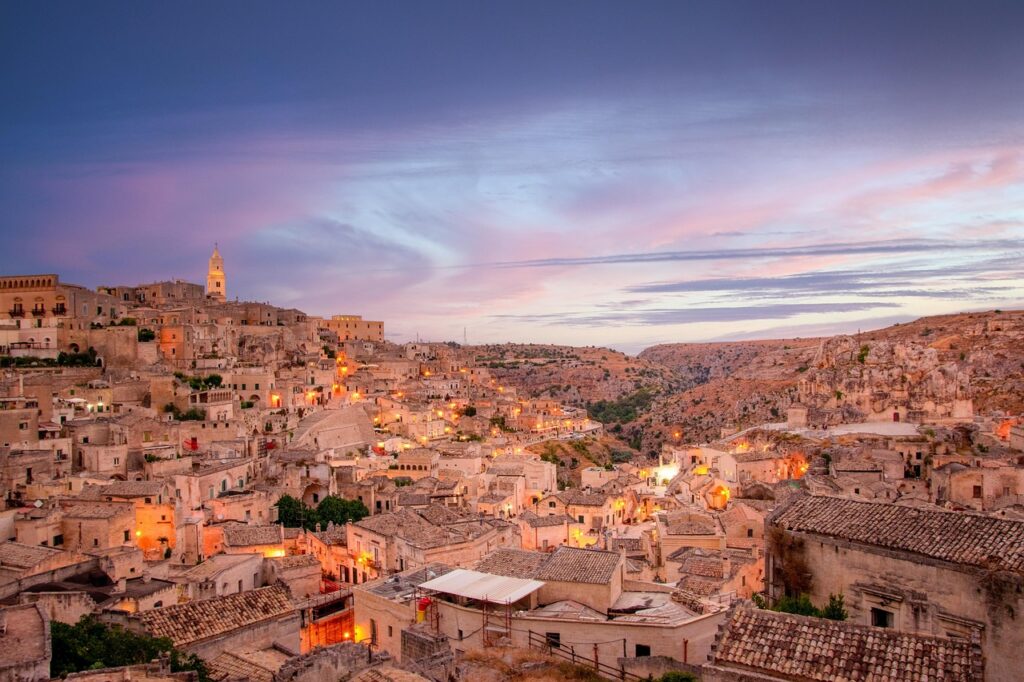
Matera, a UNESCO World Heritage site, is one of Europe’s most captivating human and archaeological landscapes. Perched on a limestone gorge in the Basilicata region, the town is famous for its “sassi” — cave-dwelling districts carved out since the Paleolithic — and the surrounding territory where funerary rites have left deep marks on the land. This article is a practical, general guide to understanding and visiting the tombs, necropolises and memorial places of ancient civilizations around Matera: detailed descriptions, exact addresses, opening times, prices, local tips and archaeological context will help you plan a meaningful, informed visit.
Visiting Matera isn’t just about admiring dramatic architecture; it’s about stepping into a palimpsest of mortuary practices, hypogea and sepulchral rock formations where daily life and the commemoration of the dead overlap. From dug-out house-tombs to rock-cut oratories decorated with frescoes, and from prehistoric necropolises to medieval burials, the area exposes cultural layers spanning millennia. Grasping these practices reveals how people turned stone into sacred space, how beliefs adapted — and were transformed — with the arrival of Christianity, and how today these sites are presented for responsible, educational tourism.
This guide is aimed at archaeology and history buffs as much as curious travelers who want to know where and how to see, touch and feel these places. You’ll find practical information — full site names, precise addresses, prices in euros, opening hours — as well as immersive descriptions for every recommended spot. The sections below cover key locations around the Sassi di Matera, the rock-cut necropolises of the Parco della Murgia Materana, rock churches with funerary hypogea, museums and memory-houses that contextualize these rites, and finally local tips for driving and respectfully visiting sensitive sites. Image markers will help you visualize scenes and prepare your camera.
Before diving in, a few commonsense tips: wear sturdy shoes — the limestone and stone steps can be slippery —, respect opening times, avoid touching frescoes, and favor guided tours to reach less visible sites and better understand the stratigraphy of human occupation. If you’re planning longer itineraries, combine Matera with an excursion into the Parco della Murgia to see cliffside necropolises and the overlooks above the gravina.
Sassi di Matera: House-Tombs, Hypogea and Places of Memory
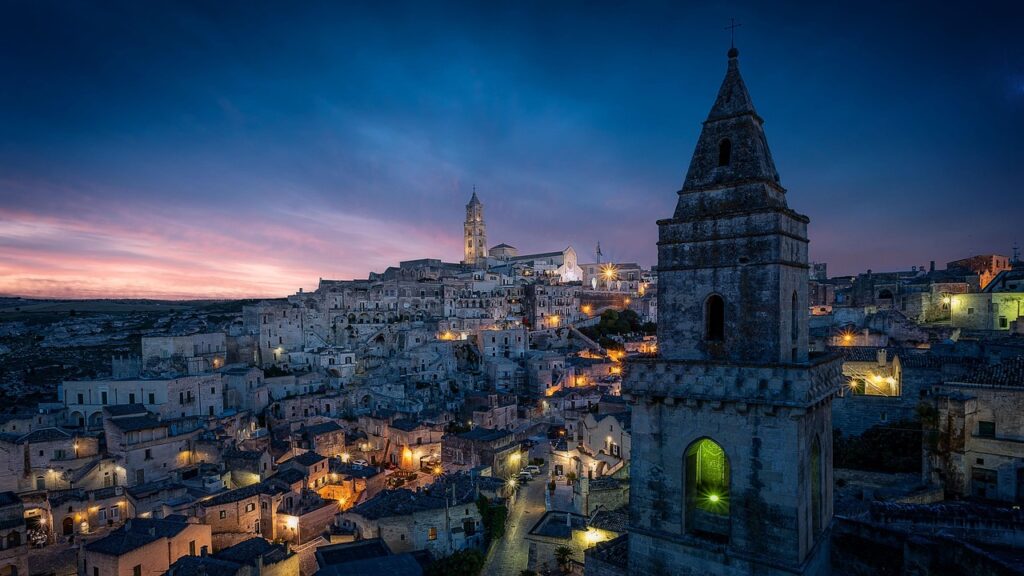
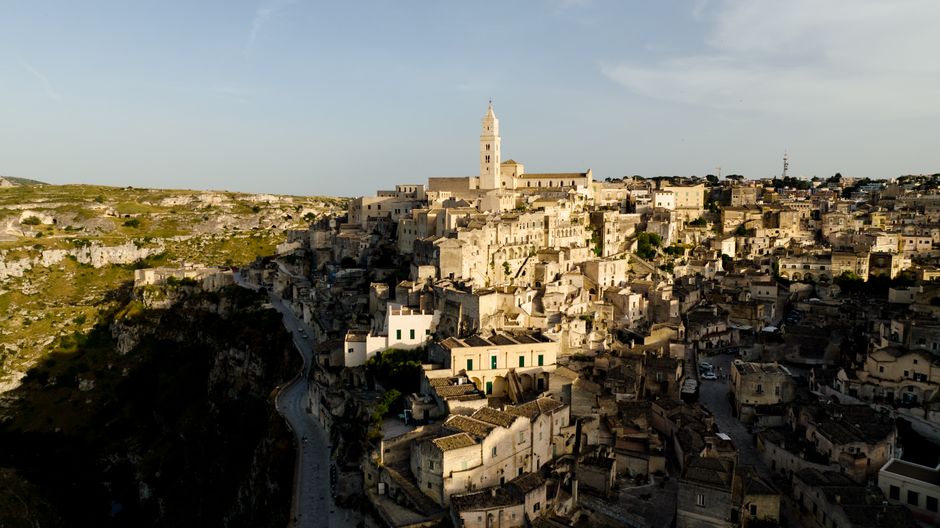
The Sassi di Matera form the living heart of the city’s rock-cut funerary traditions. These districts — Sasso Caveoso and Sasso Barisano — contain hundreds of cavities shaped into homes, chapels, silos and tombs. Wandering the alleys and stairways you’ll find funerary niches built into facades, crypts and small oratories that speak to the close relationship between domestic space and burial space.
Main site: Sassi di Matera (area), Piazza Vittorio Veneto, 75100 Matera MT, Italy — access to the sassi is free and open to the public. Some monuments inside require an entry ticket.
Must-see visits include:
- Casa Grotta di Vico Solitario — Vico Solitario 30, 75100 Matera MT. A reconstructed cave home museum showing domestic layouts and burial niches. Opening times: daily 9:00–19:00 (last admission 18:30). Price: €4.00 (adult), €2.00 (reduced 6–18), free for children under 6. Visit duration: 20–30 minutes. Description: period furniture, a cooking area and a small recreated pantry; ideal for understanding the continuity between living spaces and funerary deposits.
- Casa Noha — Piazza San Pietro Caveoso 30, 75100 Matera MT. Visitor center with an audiovisual narrative on the history of the Sassi. Opening times: 9:00–20:00, closed Monday mornings. Price: €3.00 for the audiovisual; audio guide available for €2.00. Description: immersive video room, historical maps and panels explaining the evolution of funerary practices.
- Chiesa rupestre di Santa Maria di Idris — access via Piazza San Pietro Caveoso, 75100 Matera MT. Opening hours vary (depending on services and site accessibility): generally 9:00–18:00 in season. Access: free but donations welcome. Description: a rock-cut chapel set into the cliff, decorated with fragmentary frescoes and close to terraced burial cavities.
Practical tips: arrive early in the morning or late afternoon (18:00–20:30) to catch warm low light on the stone and avoid the crowds. Follow conservation rules — don’t touch painted walls — and check with the Casa Noha information point for themed guided routes on funerary rites. The most intimate corners are often visited with a local guide (roughly €10–15 per person for a private 1.5–2 hour tour), which can grant access to hypogea not open to the general public.
Parco della Murgia Materana: Rock-Cut Necropolises and Panoramic Views
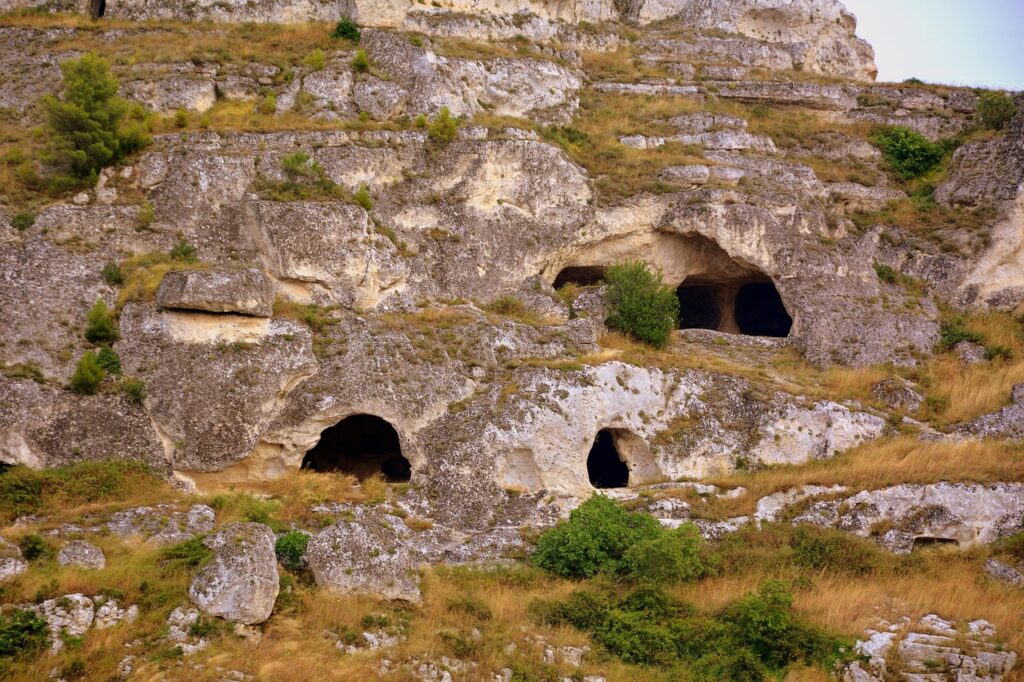
The Parco della Murgia Materana, which surrounds the Matera gravina, is an extensive karst landscape containing numerous rock-cut necropolises, hypogea and monastic churches carved into the stone. The park lets you read the funerary landscape in its natural setting: cliff-cut tombs, benches of funerary niches and medieval religious complexes integrated into limestone cornices.
Address and practical info: Parco della Murgia Materana, Visitor Center — Via S. Biagio / Strada Provinciale SP4, 75100 Matera MT. Visitor office hours: 9:00–18:00 (March–October), 9:00–16:00 (November–February). Park access: free. Guided tours: €10–20 per person depending on duration (reservation recommended).
Major points to visit:
- Belvedere di Murgia Timone — the most famous lookout for observing the Sassi and the gravina. Access: Strada Provinciale per Matera, 75100 Matera MT. Hours: open 24/7; limited lighting at night. Description: a plateau offering an overall view of the cave settlements and cliffside tombs visible on opposite slopes.
- Nécropolis of Lama D’Antico — archaeological sector near the Gravina, coordinates available at the Visitor Center. Description: a complex of prehistoric rock-cut tombs and rock inscriptions. Access: generally located along a marked trail; hiking boots recommended.
- Chiese rupestri della Gravina — several rock churches with funerary crypts located along pastoral paths. Hours: variable, some are accessible only with a guide.
Archaeological context: excavations have revealed stone box graves, collective structures and burials from different periods (Neolithic, Bronze Age and medieval). On-site information panels explain funerary typologies; the visitor center provides maps and routes for themed trails. For an in-depth visit, book a guided excursion (archaeologist guides available, €80–150 for a group of 1–6 people depending on the program).
Local tips: bring water and sun protection — the plateau is exposed. Respect restricted excavation zones and do not remove any finds. The best light for photographing the necropolises is early morning or late afternoon when the rock textures are emphasized by the light.
Rock Churches and Hypogea: Christian Rites and Pagan Survivals
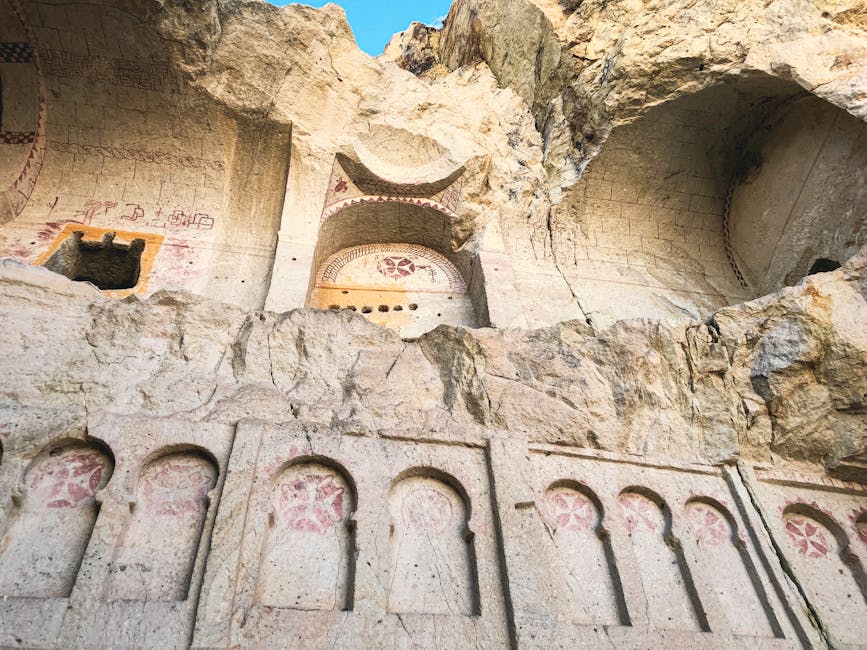
In Matera, the Christianization of rock-cut spaces produced a network of troglodyte churches that sometimes incorporate earlier burials. These sanctuaries feature frescoes, altars and crypts where funerary use intersects with liturgy. Studying these sites helps trace how older rites were reinterpreted over time.
Recommended sites:
- Chiesa di San Pietro Caveoso — Piazza San Pietro Caveoso, 75100 Matera MT. Times: Sunday mass 10:00–11:00; open for visits the rest of the day 8:30–18:00 (subject to services). Access: free. Description: a baroque church overlooking the gravina, close to several visible rock tombs from its terrace.
- Chiesa rupestre di Santa Lucia alle Malve — access path from Via Madonna delle Virtù (coordinates at the information point). Hours: variable; access often restricted for conservation. Price: guided visit recommended (€5–10). Description: a cluster of small chapels with medieval frescoes and funerary niches, reflecting a local cult dedicated to the dead.
- Crypta and hypogea near Chiesa di San Giovanni — Sasso Barisano area, request access details at the Museo Ridola or the Visitor Center. Description: underground crypts with loculi and small sarcophagi, sometimes later repurposed for storage after their funerary use.
Hours and conservation: many of these chapels are managed by the local curia or heritage associations; opening times can change with services and weather. For groups, it’s wise to contact the Ufficio Turismo Comune di Matera (Comune di Matera – Ufficio Cultura, Piazza Vittorio Veneto, 1, 75100 Matera MT; local phone available at the information point) to obtain permissions and book a local guide specialized in rock art.
Immersive experience: inside the rock churches, silence and dim light create a sense of timelessness. The often fragmented polychrome frescoes retain traces of pigments and votive inscriptions. Observing the arrangements, you can track the evolution of funerary practices: from collective burials to more personalized inhumations, and later to liturgical memory practices (mémoriae, funerary altars).
Tips: bring a headlamp if you plan to enter poorly lit crypts (some sites require the guide’s lamp), avoid using flash on fragile frescoes and wear a mask if there’s dust. Check whether you can attend a mass in a rock church to experience the living link between ritual and place.
Museums, Archives and Interpretation: Putting Funerary Rites into Context
To deepen your understanding of ancient funerary rites, Matera’s museums and interpretation centers offer collections, models and archives. They connect field discoveries with scientific analyses and visual reconstructions.
Key institutions:
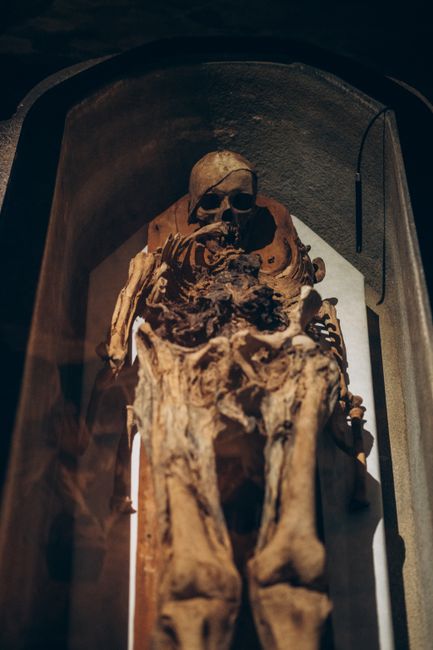
- Museo Archeologico Nazionale « Domenico Ridola » — Via Domenico Ridola 8, 75100 Matera MT. Hours: 9:00–19:00 (seasonal; may be closed Monday mornings). Price: €6.00 (full), €4.00 (reduced). Description: collections of local prehistory and antiquity, funerary inscriptions and objects found in necropolises. Recommended visit length: 1–2 hours. The museum provides panels explaining tomb typologies and ritual practices.
- Casa Cava Cultural Centre — Via Casalnuovo 85, 75100 Matera MT. Hours: 10:00–18:00 (depending on program). Price: guided visits €6–12 depending on the event. Description: a site-laboratory dedicated to promoting caves and associated cultural practices, hosting temporary exhibitions on funerary rites and rock art.
- Civic Archives and Local Library – Archivio Storico Comunale — Palazzo Lanfranchi, Via San Biagio, 75100 Matera MT. Hours: 9:00–13:00 / 15:00–18:00 (Mon–Fri). Access: consultation by appointment. Description: historical sources, notarial documents and parish registers useful for reconstructing medieval and modern funerary customs.
Prices and bookings: some museums offer combined tickets to save money (e.g. Casa Grotta + Museo Ridola: often a combined rate around €8–9). Check discounts for students and seniors and free admission policies (some national museums are free on the first Sunday of the month). Hours can change in high season (June–September); consult official sites or the tourist information point to confirm.
Further study tips: attend a local lecture or a themed guided trail (organized by heritage associations and archaeological guides) to learn about excavation methods, dating and interpretation. Museums occasionally run hands-on workshops for families, handy if you’re traveling with children and want to make funerary history tangible.
Conclusion
Matera is an open-air laboratory for studying ancient funerary rites: from the inhabited Sassi turned into places of memory, to the necropolises of the Parco della Murgia Materana, and the rock churches where Christianity and pagan survivals intertwine. This guide aims to point you toward the most significant sites, provide practical information — exact addresses, opening times and prices — and give interpretive keys for a respectful, enriching visit.
During your stay, slow down: these sites require time to be truly felt. Hiring a local guide will give you access to hidden hypogea, the stories behind excavations and the ability to read the signs on the walls as witnesses to a long relationship between the living and the dead. Respect conservation rules, don’t touch frescoes, stick to marked trails in the park and request permission for professional photography. Finally, pair archaeological visits with panoramic moments — Belvedere di Murgia Timone at sunset is unforgettable and helps you appreciate the continuous landscape relationship between dwelling and necropolis.
Whether you’re a researcher, history enthusiast, photographer or simply a curious traveler, Matera offers a unique story of how human societies monumentally transformed their environment to accommodate both life and death. With the practical information in this guide you’ll have a solid roadmap for an authentic, respectful exploration of the tombs and necropolises of ancient civilizations in and around Matera.