





Introduction — Responsible crafts in Matera: why and how to buy local and sustainable
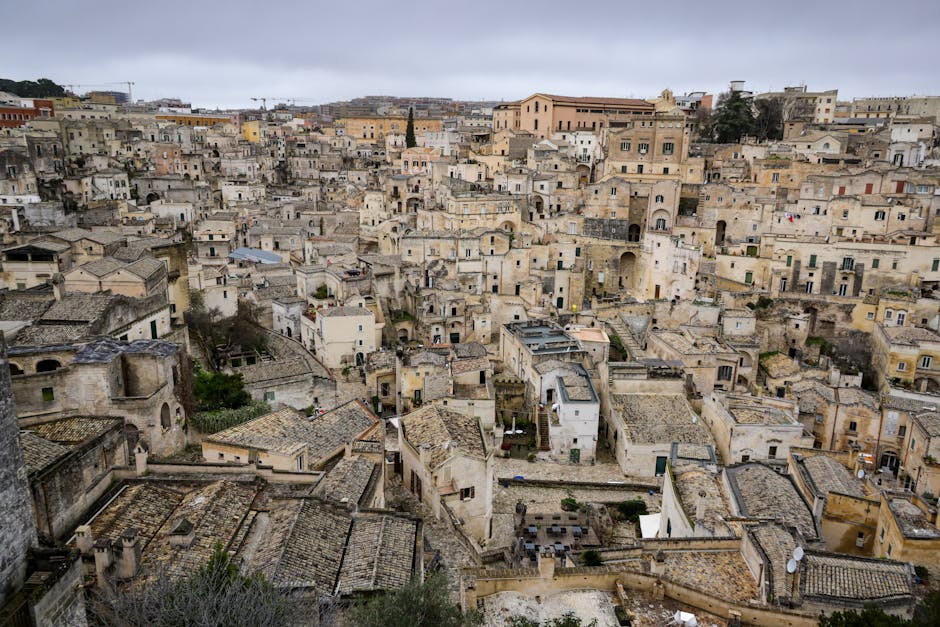
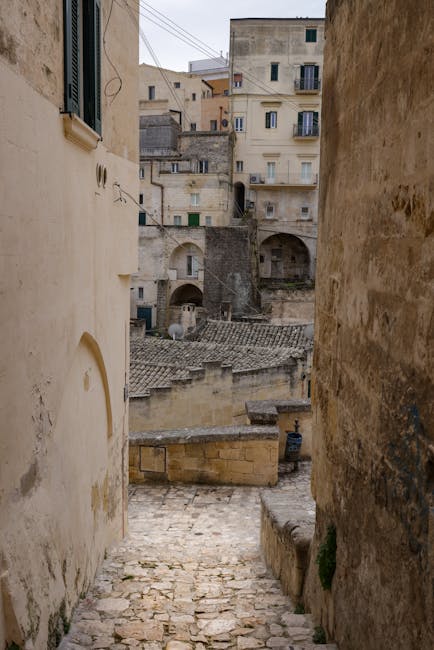
Matera is a place where history, stone and daily life blend together; the urban landscape of the Sassi (Sasso Caveoso and Sasso Barisano) is a living museum of cave homes, rock-hewn churches and cobbled alleys. But beyond the caves and picture-postcard views, Matera has a vibrant craft scene — potters, weavers, glassmakers, blacksmiths, leatherworkers and food producers — whose quality and authenticity reveal themselves when you choose to buy local and sustainably. Buying responsibly in Matera isn’t just about bringing home a souvenir: it’s about supporting inherited skills, keeping workshops open, encouraging eco-friendly practices and reducing carbon footprint by choosing local materials and short supply chains.
This guide aims to give you concrete pointers for practicing responsible craft-buying in Matera: where to find workshops and shops, which items to prioritize, how to read prices and verify sustainability, and above all how to respect the artisans and their territory. You’ll find exact addresses, price ranges in euros, typical opening hours, immersive descriptions of places and local tips for bargaining, transporting and caring for your purchases. The goal is a practical, respectful roadmap so your purchase has a positive impact on the Matera community.
Matera attracts visitors from around the world each year, and this tourist flow can be either an opportunity or a threat to local crafts. A responsible approach favors thoughtful purchases: choose objects made from local materials (regional wools, wood-fired ceramics, traditionally tanned leathers), support workshops practicing non-industrial methods, and prefer unique pieces that tell a story. Also, buying local usually means paying a fair price: handcrafted work that can take hours or even days. Prices shown in this guide reflect common ranges and help you judge when an offer is reasonable or suspiciously cheap (sometimes a sign of massive, unethical imports).
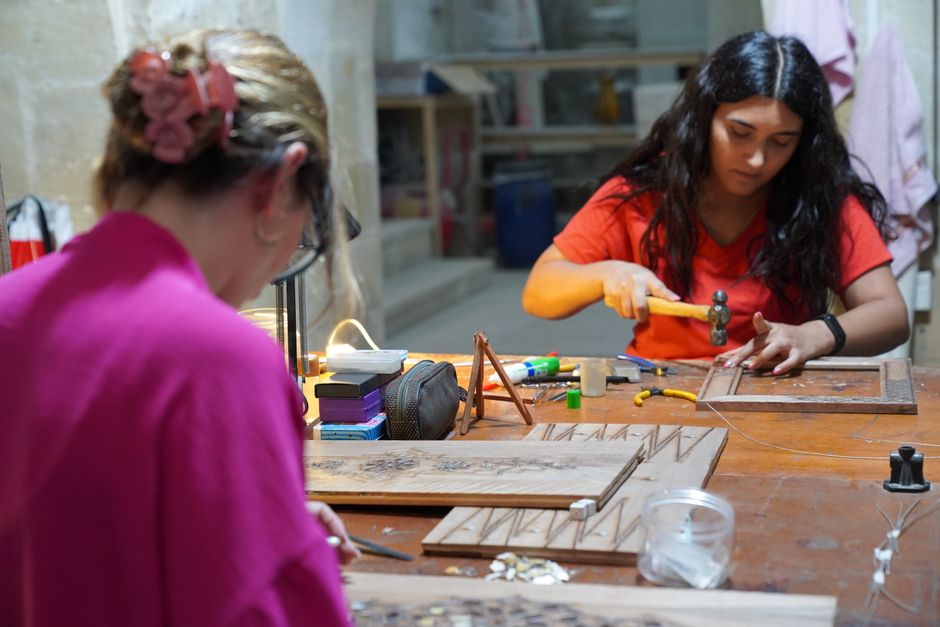
Finally, this guide walks you through concrete places to visit during a stay in Matera. Each recommended address includes a sensory description: the smell of fired clay, the hum of a potter’s wheel, slanted light in a troglodyte workshop, the feel of handwoven fabric. You’ll also find practical advice: how to pack a ceramic for travel, how to ask for a certificate of origin, or how to spot local labels and environmental commitments. Ready to explore Matera’s responsible craft scene? The stroll starts in ancient alleys but continues in the hands of those who turn raw materials and memory into durable objects.
Ceramics and pottery workshops: finding authenticity and sustainability
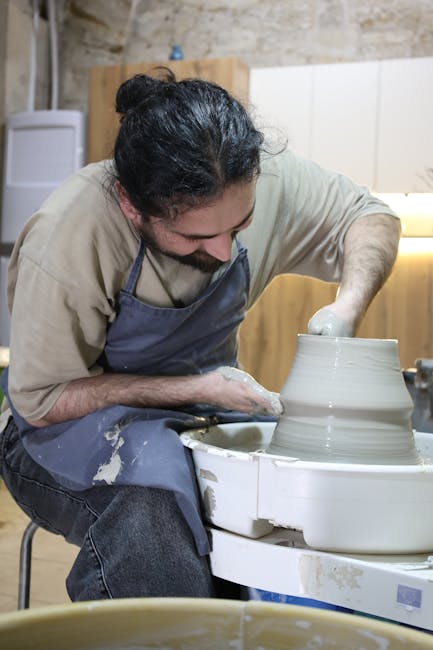
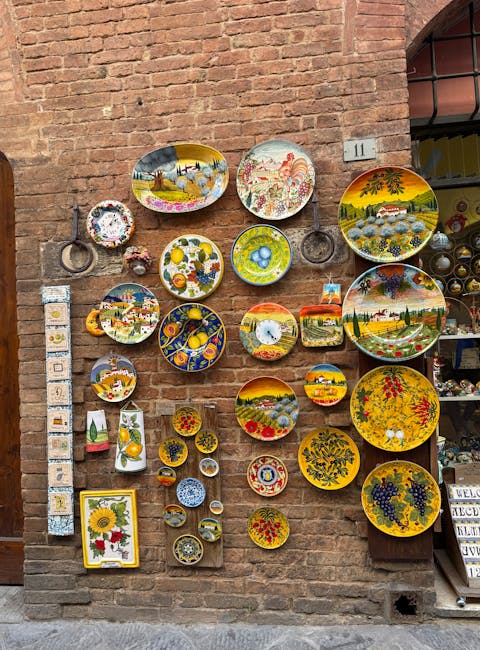
Ceramics are one of Matera’s most visible craft expressions: bowls, jars, tiles and decorative pieces made from local clays fired in wood or gas kilns, often hand-decorated. For responsible purchases, favor workshops that state the origin of their materials, use non-toxic glazes and employ traditional or low-energy firing methods. Visiting a studio, talking with the potter and watching the production stages will help you understand the time and skill involved.
Practical recommendations: Laboratorio Ceramiche Sassi, Via del Corso, 12, 75100 Matera MT — a workshop-shop run by a local potter couple. Hours: Tuesday–Sunday 10:00–13:00 and 16:00–19:30; closed Monday. Prices: hand-decorated plates €25–45, bowls €15–35, decorative jars €60–180 depending on size. Description: the studio occupies a vaulted cellar; you can see the potter’s wheel near a low window, shelves full of pieces awaiting glazing and a demonstration corner. Tip: ask for a fact sheet about the clay and glazes used; use the bubble wrap they provide and opt for a reinforced box if you’re flying.
Another useful address: Antichi Tegami di Matera, Via Bruno Buozzi, 91, 75100 Matera MT — a shop specialized in tiles and functional ceramics. Hours: 09:30–13:00 and 15:30–19:00, closed Sunday afternoons. Prices: wall tiles €30–120, artistic wall pieces €100–400; restoration of old pieces by quote (from €80). Description: a studio-showroom with panels explaining wood-firing steps; the owner explains energy savings achieved by grouped firings and where the clay comes from. Local tip: if you want a custom piece, allow 2–4 weeks for production and firing.
Weaving, textiles and local supply chains: wool, linen and rural know-how
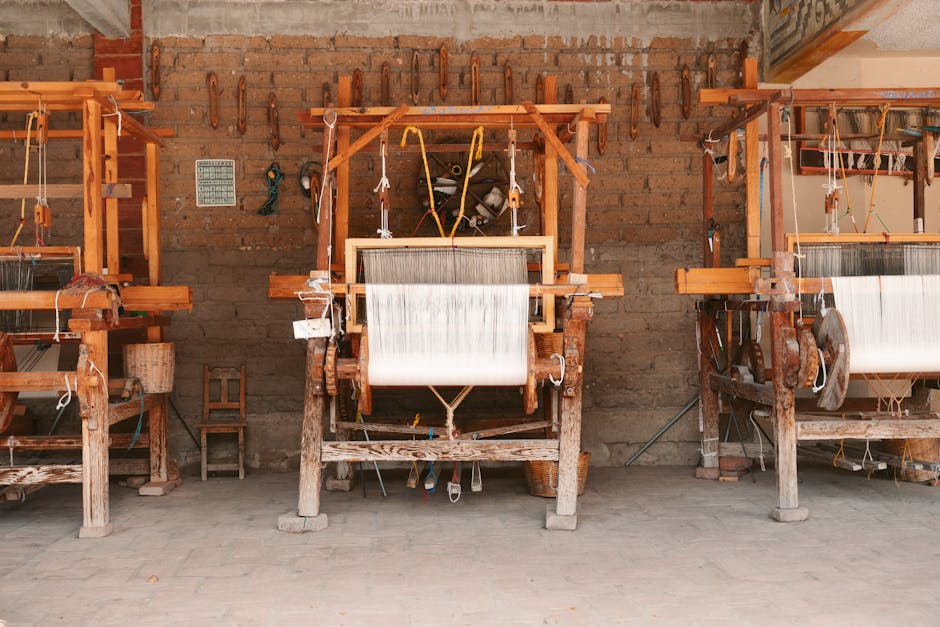
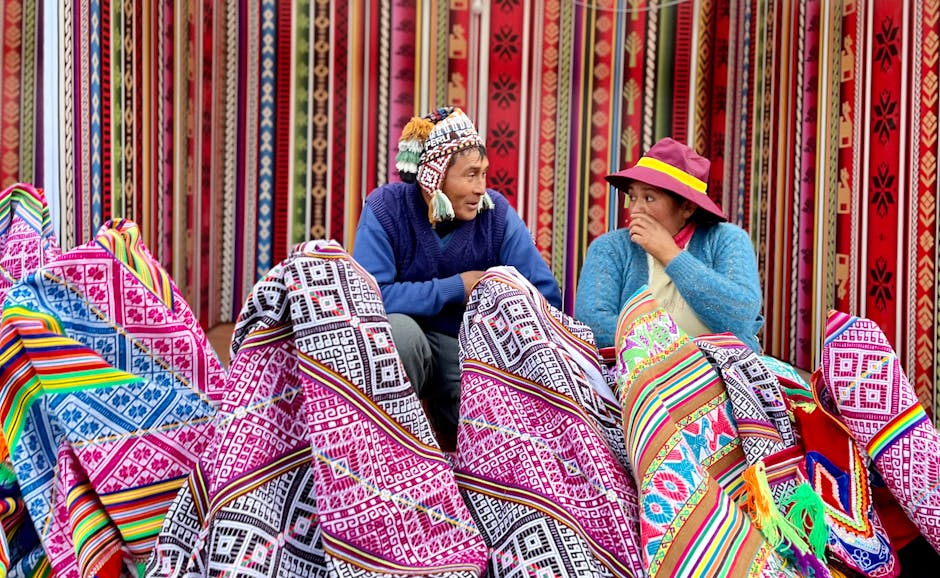
Traditional textiles in Basilicata rely on natural fibres: wool from local flocks, linen worked by small-scale women artisans and plant-based dyes. Responsible buying means avoiding synthetic imitations, favoring small-batch production and looking for certifications or explanations about fibre traceability. In Matera, several workshops offer signed pieces in small series, sometimes woven on manual looms.
Visit in particular Atelier Tessile di Matera – La Telaio, Piazza San Pietro Caveoso, 6, 75100 Matera MT. Hours: Tuesday–Saturday 10:00–13:00 and 15:00–18:30; Sunday 10:30–13:00; closed Monday. Prices: small wool scarves €30–60, woven throws €120–350, tablecloths and runners €45–200. Description: the studio sits in a restored house on the edge of Sasso Caveoso; the looms are visible from the shop and artisans sometimes make custom pieces on request. They also sell natural dyes made from locally gathered plants. Tip: for garments, test the feel against your skin and ask for care instructions; untreated local wool usually needs hand washing and flat drying.
Another point of interest is the Mercato dell’Artigianato Territoriale (occasional market), which sometimes takes place on Piazza Vittorio Veneto during cultural events. Hours vary by season and festivals; keep an eye on local announcements. Prices: textile crafts €10–300 depending on size and workmanship. Description: the market gathers weavers, knitters and local designers; the atmosphere is friendly and demonstrations of spinning or dyeing are common. Local tip: arrive early to talk with artisans before it gets busy, and ask if they accept card payments (some prefer cash).
Leathers, jewelry and metalwork: how to spot genuine craft
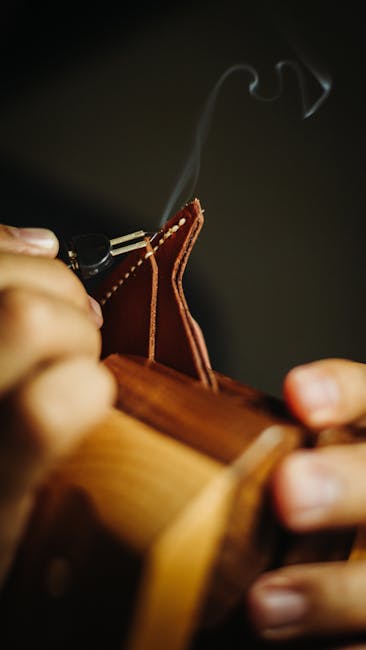
Leatherwork, artisan jewelry and ironwork (forged iron) in Matera often stand out through utilitarian pieces enriched with local motifs. Look for workshops that explain the tanning process, use full-grain leathers or traditional techniques and avoid heavy use of plastic coatings or chemical shortcuts. Local jewelers often work with silver, bronze or organic inclusions (resin, wood) to create lines inspired by Matera’s rocky forms.
Addresses to consider: La Bottega del Cuoio di Matera, Via Ridola, 23, 75100 Matera MT. Hours: 09:30–13:00 and 16:00–19:30, closed Sunday afternoons. Prices: belts €35–80, handbags €90–350, wallets €20–55. Description: a small shop-workshop scented with leather and wax; you can see pieces being hand-stitched. The owner provides a fact sheet on leather origin and sometimes offers a lifetime repair service to encourage durability. Tip: request a simple certificate or a written note about leather provenance and recommended care.
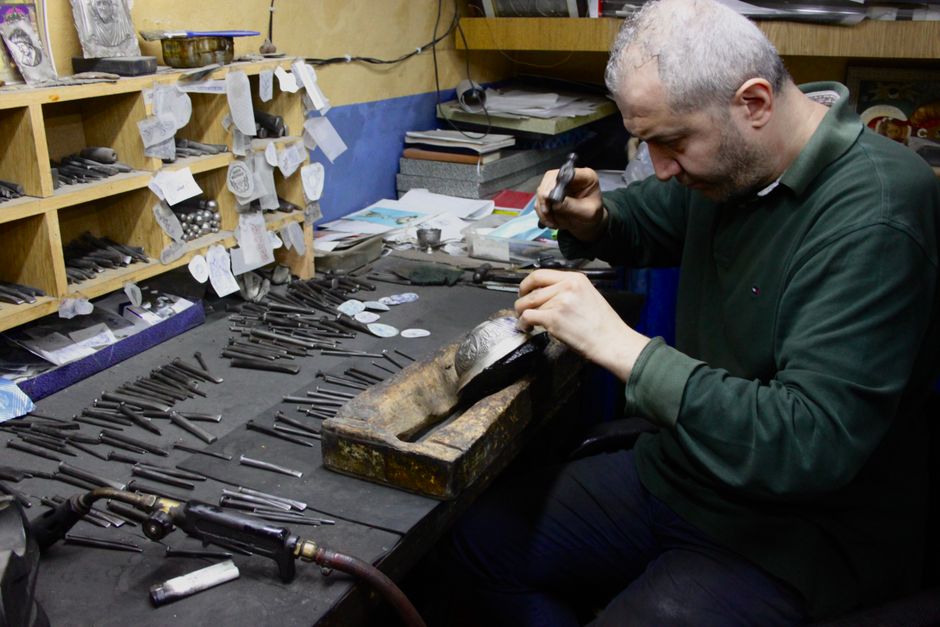
For jewelry, head to Officina dei Gioielli Rupestri, Via San Biagio, 4, 75100 Matera MT. Hours: 10:00–13:30 and 15:30–19:00, closed Monday. Prices: silver jewelry €45–250, pendants inspired by the Sassi €30–120, custom pieces by quote (from €120 for a simple commission). Description: an atelier-shop where pieces are hand-engraved with motifs drawn from rock frescoes and the textured shapes of stone. Local tip: if you order a custom piece, allow 7–21 days; most workshops accept remote orders and ship via insured courier or registered mail.
Food markets and gourmet artisans: buying local produce consciously
Food craft is a core part of local heritage. Cheeses, traditional breads, artisanal pasta, oils and jams are often made by small family farms in Basilicata. Responsible buying here means favoring direct-sale products with clear information on origin, farming methods and ingredients. In Matera you’ll find delicatessens, markets and processing workshops where traceability is openly explained.
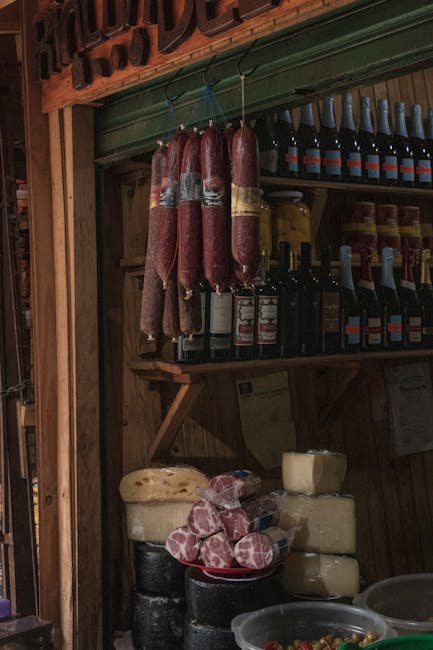
Practical spots: Antica Salumeria Materana, Via Duomo, 27, 75100 Matera MT. Hours: 08:30–13:30 and 16:00–20:00, closed Sunday afternoons. Prices: jars of preserves €5–12, local olive oil 500 ml €9–18, aged cheeses €8–25 depending on type and weight. Description: a traditional shop run by the same family for generations; wooden displays, homemade glass jars and handwritten labels. Tip: ask for transport recommendations for flights (vacuum packaging available) and buy small amounts to sample several products.
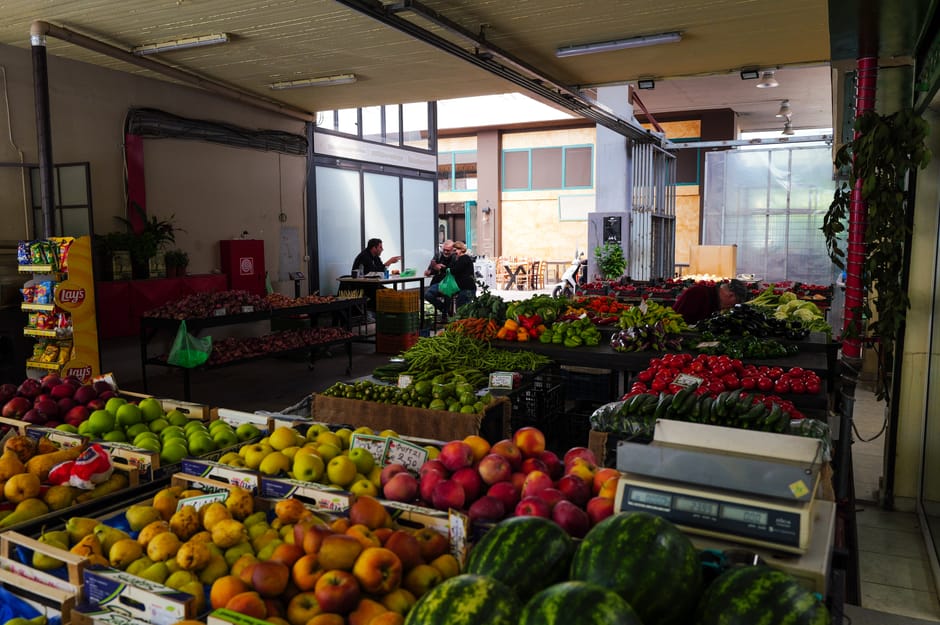
The Mercato Coperto di Matera, Via S. Francesco d’Assisi, 21, 75100 Matera MT, is a place to meet producers and buy directly (hours vary, often mornings 07:30–13:00). Prices: seasonal fruits and vegetables €1–5/kg, local honey €6–12/250 g, durum-wheat specialties €3–8 per packet. Description: a lively atmosphere, banners showing origin and stalls where you can taste cheese before buying. Local tip: speak directly with the producer to learn more about their farming practices; most are happy to share and appreciate the interest.
Conclusion — Buying sustainably in Matera: concrete steps for a positive impact
Buying responsibly in Matera is a conscious act that goes beyond the purchase itself. It’s a way to support people, families and workshops that keep living crafts alive, often in rural areas where the economy is fragile. The choices you make — locally produced ceramics, handwoven textiles, traditionally worked leather, food with known origins — help ensure these trades endure.
Some concrete actions to remember: always ask about the origin of materials and the production method; prefer unique pieces or limited editions; avoid cheap imported items with no traceability; pay the artisan directly when possible and ask if repair is available rather than replacing. Respect production times: a custom piece may take weeks, and that is part of its value. Pack your purchases carefully — use packaging supplied by the workshop or reinforced protection — and check export rules for certain foods or materials (for example, some woods).
Finally, remember that responsible buying is also a social act: talk with the artisans, share stories about your stay, post their addresses on your networks if you like the product. The best way to preserve Matera’s crafts is to build lasting relationships between visitors and artisans so these trades can continue and pass on their knowledge, making the city even richer. Your next souvenir can be a story, not just an object — choose it with care.