





Introduction: Byzantine frescoes and the liturgical cave mysteries of Matera
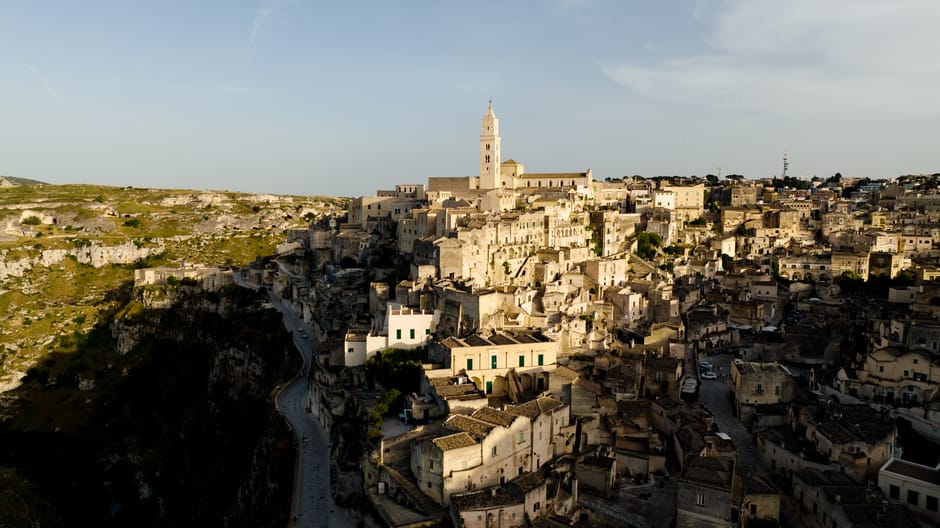
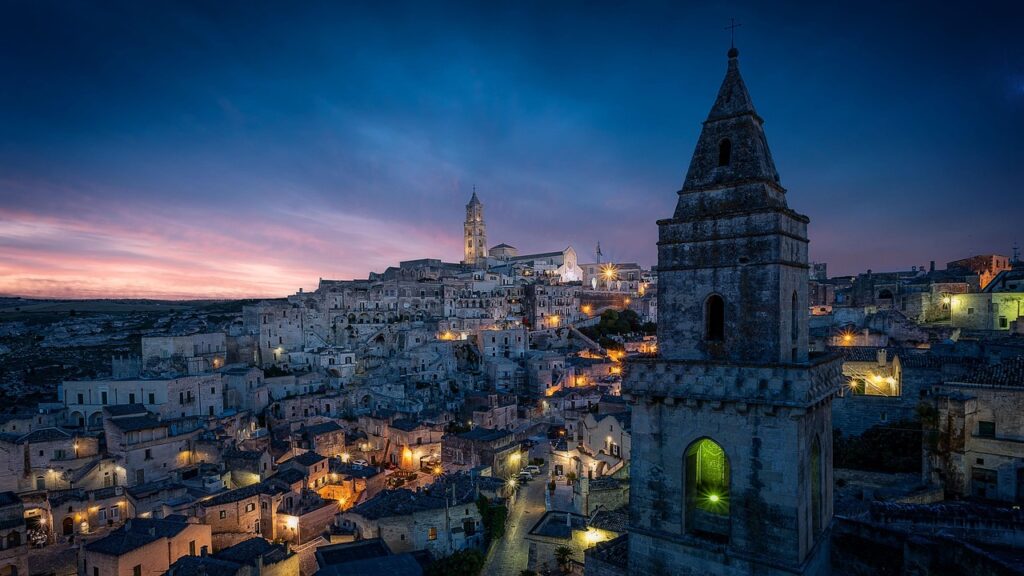
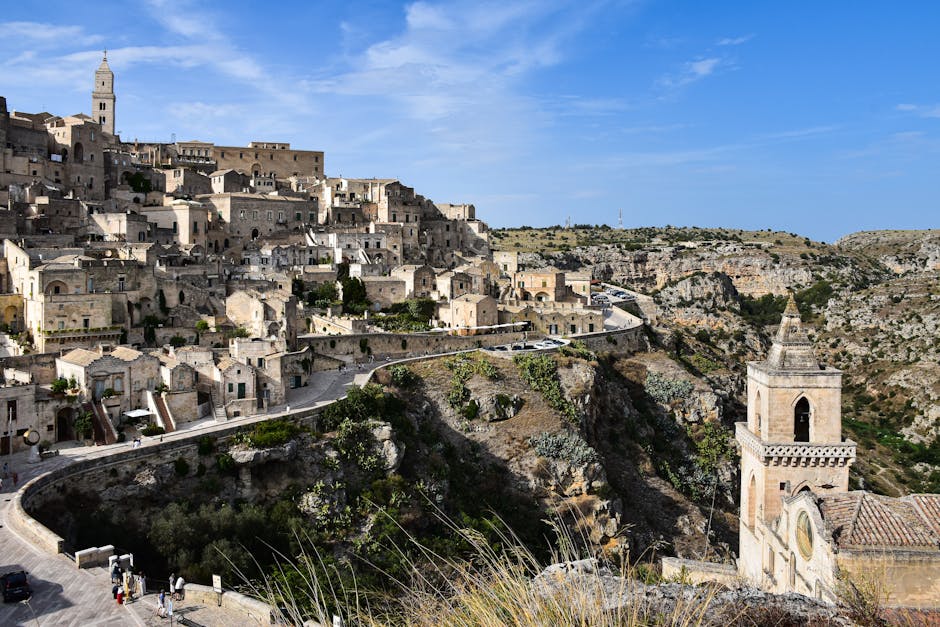
Matera, tucked in Italy’s southern Basilicata region, is a place where dramatic geology meets deep-rooted spirituality. The Sassi di Matera — Sasso Caveoso and Sasso Barisano — are neighborhoods carved into limestone, inhabited since prehistoric times and gradually transformed into a living museum of rock-cut places of worship. Scattered throughout these sanctuaries, many chapels and cave churches hold cycles of Byzantine frescoes that, through their iconography, palette and technique, tell a singular religious and artistic story. This post is a practical, in-depth guide to exploring those frescoes and unraveling the mysteries of Matera’s liturgical caves: exact locations, typical opening times, admission guidance, immersive descriptions, local tips and routes to help you see these sites with respect and insight.
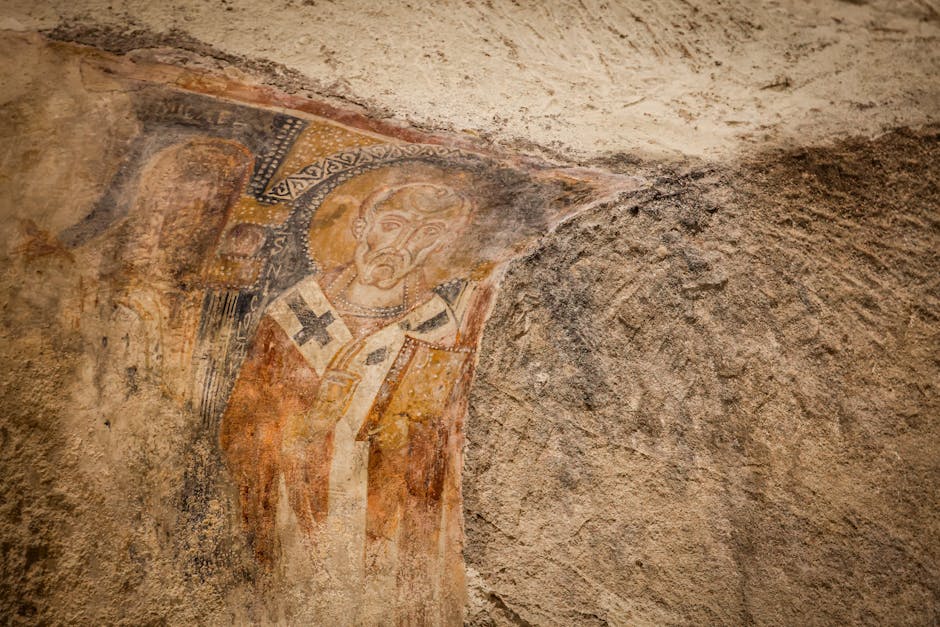
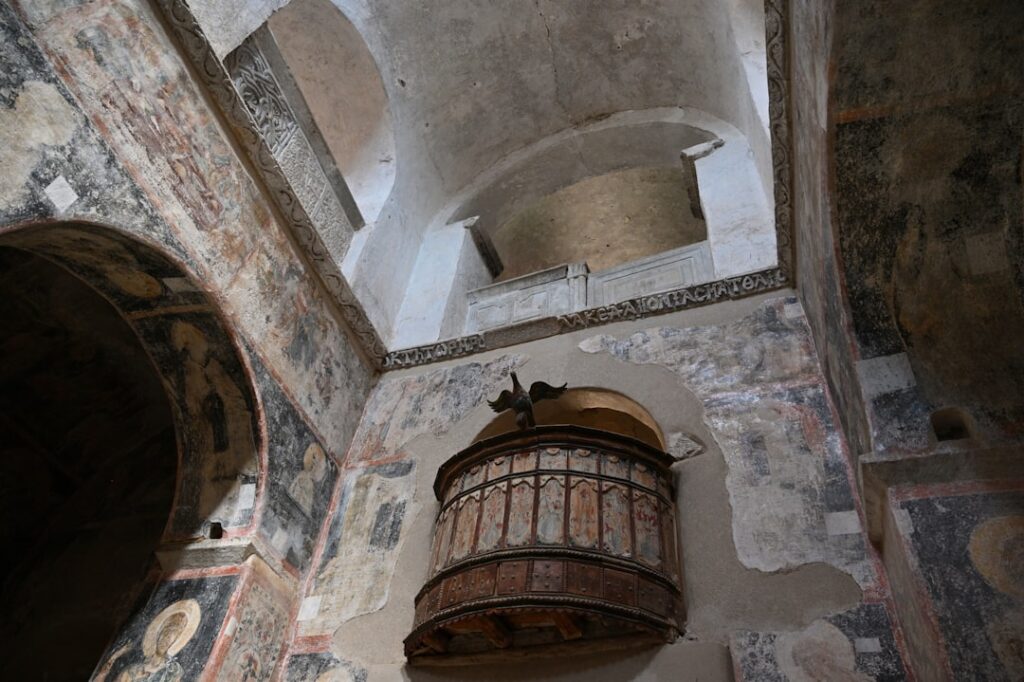
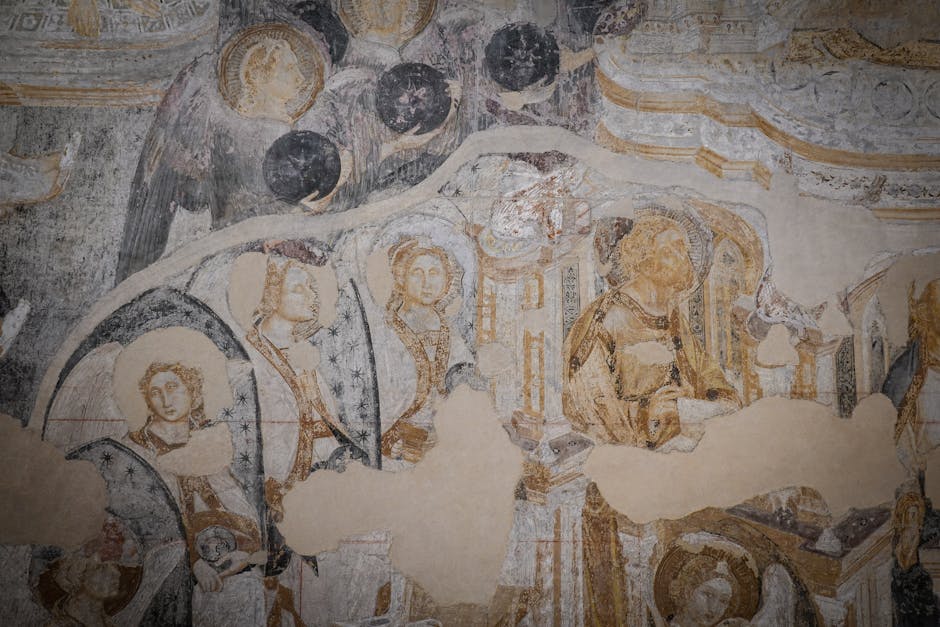
Most of Matera’s Byzantine frescoes date from the 11th to the 14th centuries and show sacred imagery shaped by Byzantine art, Western iconography and local traditions. The murals depict biblical scenes, cycles from the Life of Christ, portraits of martyred saints and iconography tied to medieval liturgy. Their state of preservation varies: some are remarkably intact thanks to the dry cave environment, while others suffer from humidity damage, lime deposits or past human interventions. These liturgical caves aren’t conventional museums; they are emotional spaces where light, the scent of stone, the vaults’ acoustics and pictorial art combine into a full sensory experience.
This guide is written for curious travelers, lovers of sacred art, researchers and modern-day pilgrims. You’ll find detailed introductions to the main sites in the Sassi and nearby areas, practical info (exact addresses, typical opening hours, prices in euros), advice for protecting the heritage (photography, liturgical etiquette, accessibility) and suggestions to enrich your visit (best times of day, walking routes, recommended local guides). It also points out lesser-known crypts where fragile frescoes demand an extra measure of care and respect.
Before you go, keep a few basic rules in mind: always double-check opening times before heading out (hours change with the season, religious services and conservation work), consider booking a licensed guide to help decode the symbolism of the frescoes, and observe silence and no-touch policies — body oils, breath and lamps can gradually damage sensitive surfaces. Matera is both a tourist magnet and a lived-in city: try to alternate busy periods (morning and mid-afternoon) with quieter moments (late afternoon and evening) to better feel the singular atmosphere of the liturgical caves.
1) Overview of the rock-cut churches and Byzantine fresco cycles (historical and artistic context)
Matera’s rock-cut churches form a network of sanctuaries hewn directly into the limestone, often blending seamlessly into the Sassi’s urban fabric. The paintings preserved inside bear witness to a dialogue between Eastern Byzantine traditions and Western influences. Most surviving fresco cycles date from the 11th to the 14th centuries, a period when Basilicata was a crossroads of exchange between Byzantines, Normans and local communities.
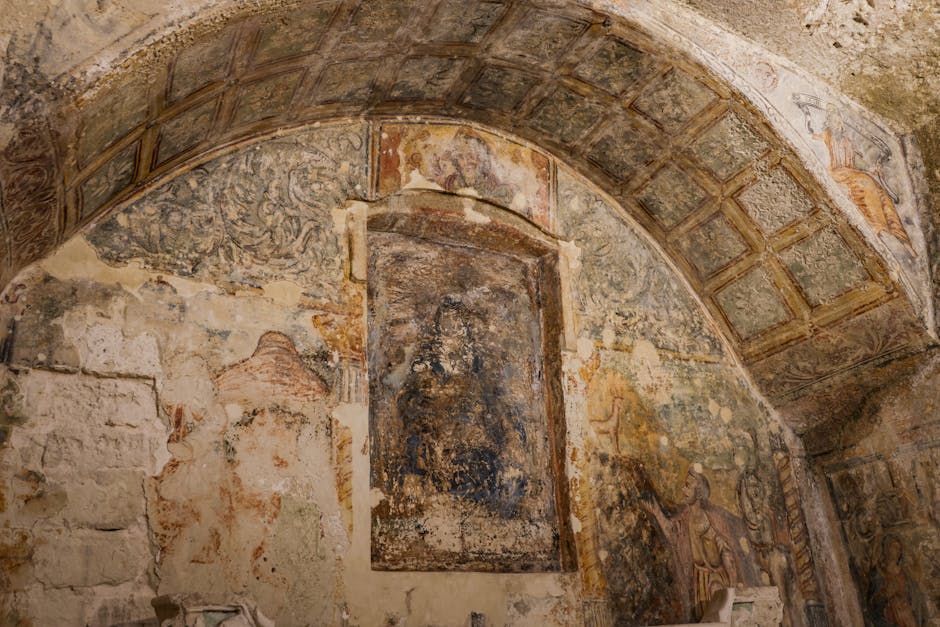
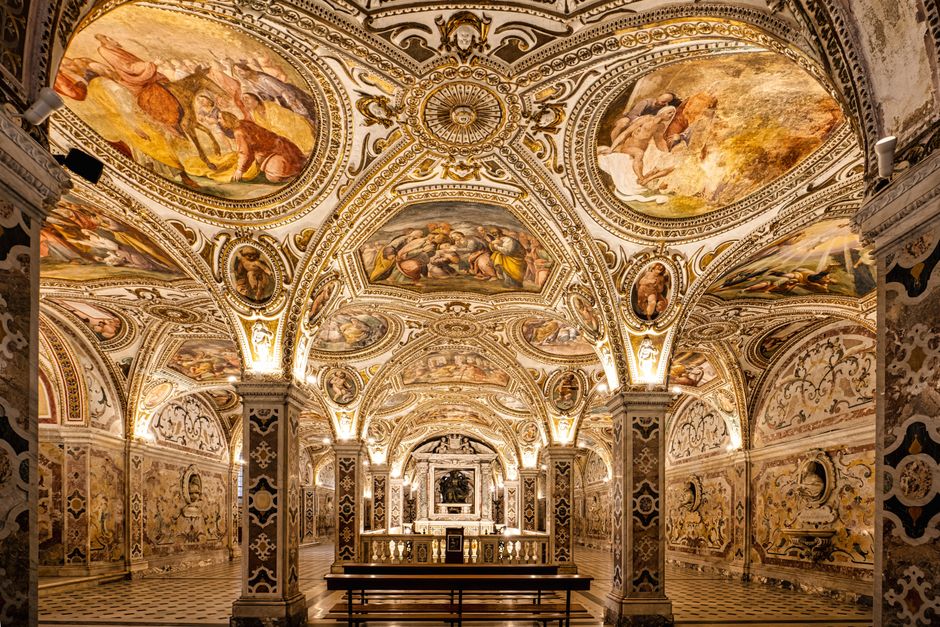
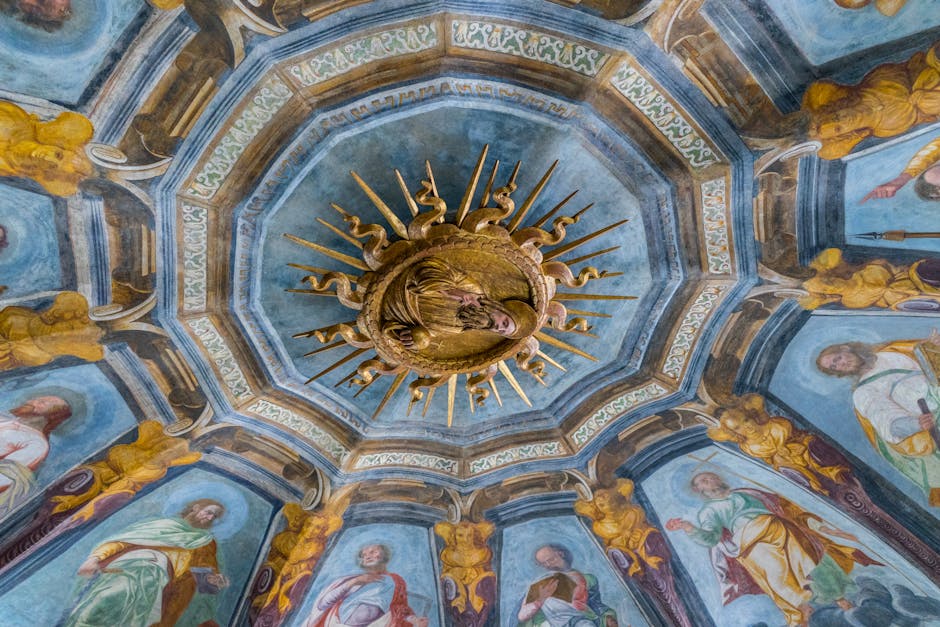
Stylistically, the frescoes show several recognizable features: a hierarchical arrangement of figures (Christ in majesty or Pantocrator positioned in domes or central scenes), a palette dominated by ochre red, ultramarine and oxide greens, and clean linear treatment for drapery and faces. The iconography mirrors Byzantine liturgy: liturgical scenes, Nativity and Passion cycles, portraits of local saints and martyrs, and sometimes didactic frontispieces aimed at mostly illiterate congregations. These images functioned as « stone books, » instructing and uniting a community.
Materials and techniques vary: some frescoes were executed a buon fresco (pigments on wet plaster), others a secco (on dry plaster), the latter being more vulnerable to deterioration. The underground environment — with its stable microclimate — has sometimes enabled impressive preservation, but modern urbanization and surface water have also caused irreversible damage. That’s why restoration and conservation programs, overseen periodically by the Soprintendenza Archeologia, Belle Arti e Paesaggio della Basilicata, are ongoing.
Visiting these churches is to confront layers of time: architectural adaptations reused over centuries, Baroque additions, re-purposed antique materials and, above all, frescoes that testify to continuous liturgical practice. The most stunning scenes tend to be in apses, domes and niches — spots where the rock best accommodated figurative art. A knowledgeable guide will explain the meaning of symbols — lambs, evangelists, veins of stone metaphorically linked to the « flesh » of the church — and draw your attention to small details that escape a first glance: remnants of liturgical splendor, inscriptions in Greek or Latin, and traces of original pigments.
- Tip: To appreciate original polychromy, aim for a morning visit (8:30–11:00) or late afternoon (17:00–19:00), when low light brings out relief and color.
- Tip: Bring a low-intensity torch (turn it off in guided chapels); photography without flash is generally allowed but sometimes restricted.
2) Key rock-cut sanctuaries you shouldn’t miss (addresses, opening times, prices and descriptions)
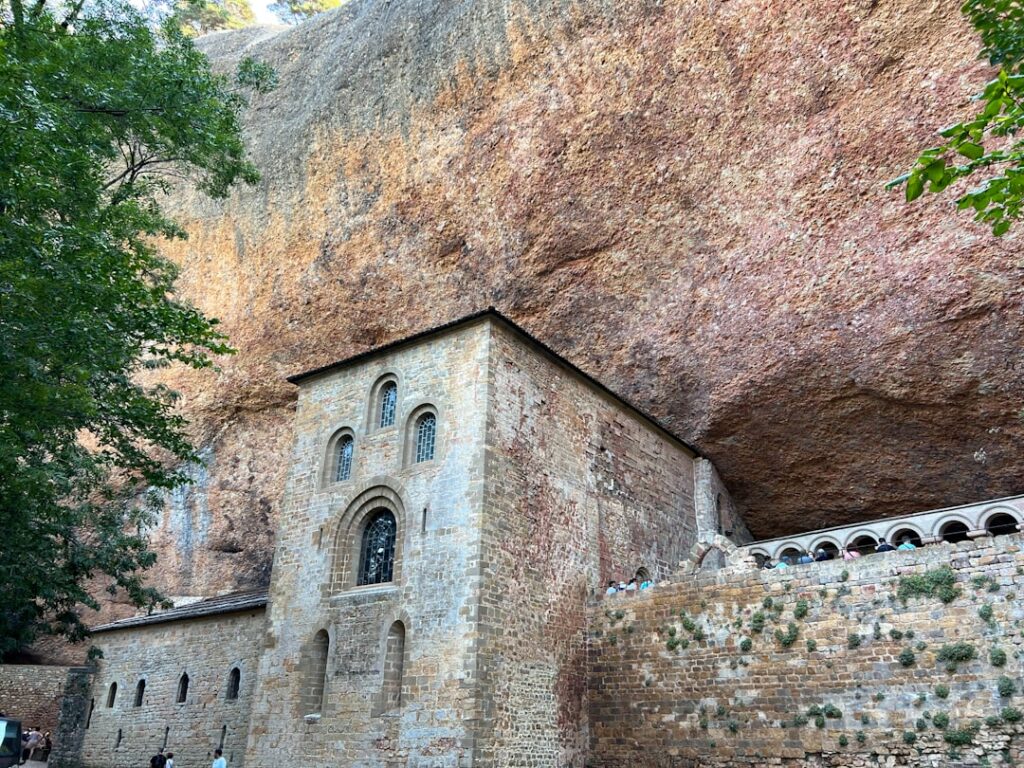
Here’s a selection of Matera’s most well-known and accessible rock-cut sanctuaries, with practical details to help you plan. Prices and hours change with the season — check official pages or local tourist offices before you go.
Chiesa di Santa Maria de Idris — Piazza San Pietro Caveoso, 75100 Matera (Sassi Caveoso)
Address: Chiesa di Santa Maria de Idris, Piazza San Pietro Caveoso, 75100 Matera.
Typical opening hours: usually open from 9:00 to 13:00 and 15:00 to 18:00; reduced hours in winter. May close for religious services.
Suggested price: entry is often free, but a small donation or a token ticket of €1–3 may be requested for upkeep. Paid guided tours are available (around €5–12 per person depending on the provider).
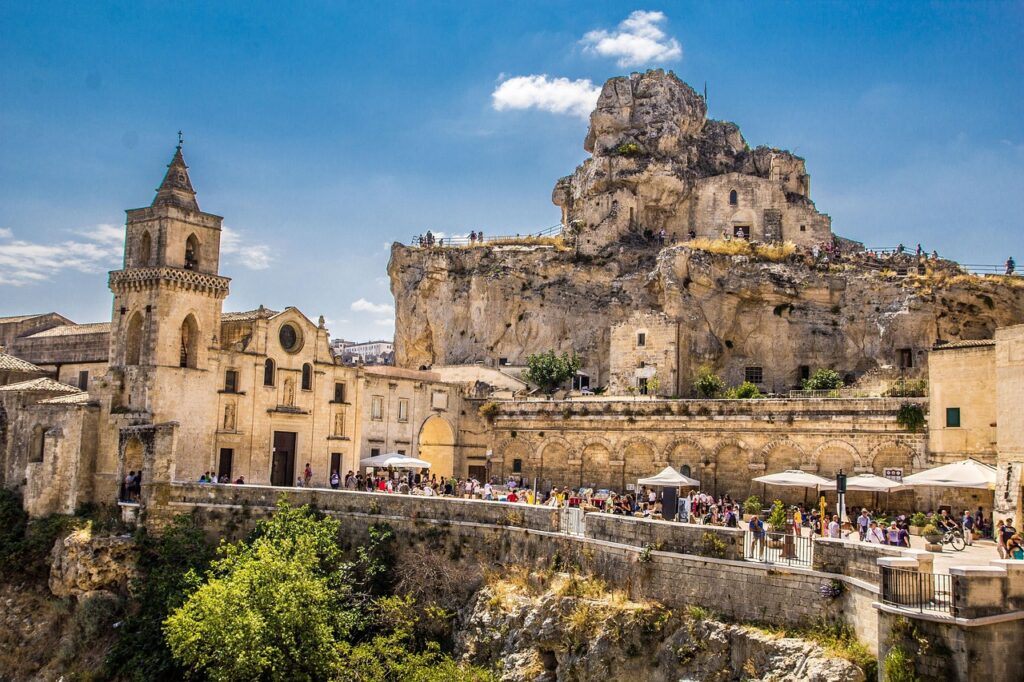
Description: Perched above the gravina, Santa Maria de Idris is hollowed into the rock and sometimes links to nearby monastic cells and small oratories. Surviving frescoes include saintly figures and fragments of a Christ Pantocrator. The vault and apse create striking acoustics that lend special intensity to readings or Gregorian chants offered by guides.
Chiesa rupestre di San Pietro Barisano — Via Madonna delle Virtù, 75100 Matera (Sasso Barisano)
Address: Chiesa rupestre di San Pietro Barisano, Via Madonna delle Virtù, 75100 Matera.
Typical opening hours: generally open daily from 9:30 to 17:30; extended hours during high season.
Suggested price: entry fee around €3–5 (reduced rates for students and seniors). Combination tickets with other rock sites are sometimes available.
Description: San Pietro Barisano is one of the Sassi’s largest rock-cut churches, with a hollowed façade and a series of lateral chapels. The frescoes here are diverse: large hagiographic scenes, narrative registers and saintly portraits. Restoration work has stabilized key scenes, but some areas remain fragmentary, inviting quiet contemplation and interpretation.
Cripta del Peccato Originale (Crypt of the Original Sin) — Loc. (near Matera), access by guided entry
Address: The Cripta del Peccato Originale is set in the Gravina di Matera, just outside the Sassi; access is normally via guided tours departing from Matera.
Hours and price: guided visits are organized periodically; cost varies (around €10–20 per person depending on the operator); booking is recommended. Entry is strictly regulated to protect the frescoes.
Description: Studied by specialists, the Cripta del Peccato Originale houses an exceptional iconographic cycle: nearly complete Genesis scenes, from the Fall of Adam and Eve to symbolic portrayals of Redemption. Pigments remain intact in sheltered areas, producing a visually striking effect often compared with major Byzantine crypts. Access is controlled to limit humidity and safeguard the colors.
Chiesa di Sant’Agostino — Piazza Vittorio Veneto, 75100 Matera (historic center)
Address: Chiesa di Sant’Agostino, Piazza Vittorio Veneto, 75100 Matera.
Typical hours: open during the day; hours vary (9:00–12:30, 15:00–18:00).
Suggested price: free entry; guided visits may be available (around €3–8).
Description: While Sant’Agostino is not fully rock-cut, it contains chapels and corners with medieval painting fragments and liturgical decorations that show the transition from cave art to later architectural forms. It’s a great complement for understanding evolving liturgical and decorative practices in Matera.
3) Recommended routes and tips for an immersive visit (transport, duration, guide, accessibility)
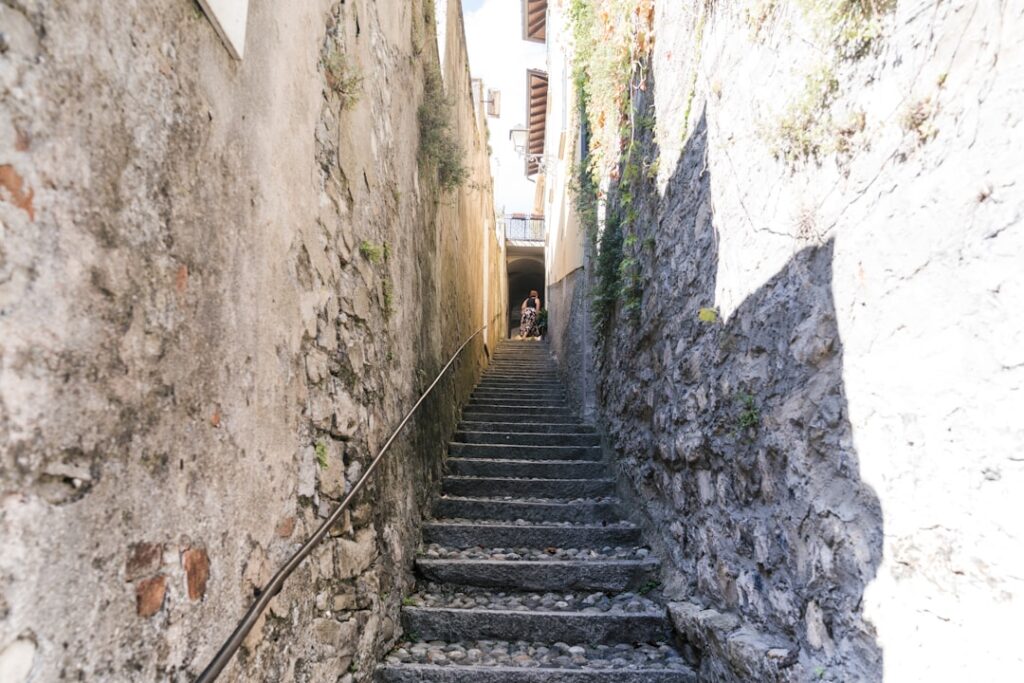
Seeing Matera well takes a bit of planning: the Sassi are a maze of alleys, steps and vaulted passages. Here are suggested routes based on your available time and practical tips to make your visit immersive and respectful.
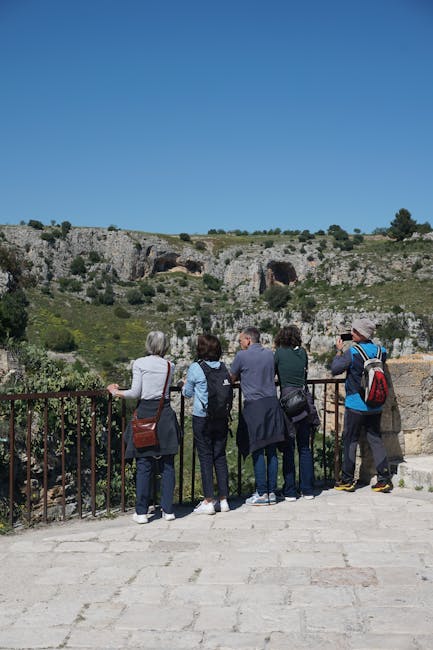
Short route (2–3 hours): Start at Piazza Vittorio Veneto for an overview, then descend to Piazza San Pietro Caveoso to visit Chiesa di Santa Maria de Idris. From there head to Chiesa rupestre di San Pietro Barisano (Via Madonna delle Virtù) and finish with a short panoramic walk along the gravina to view the Cripta del Peccato Originale from the balconies (if guided access isn’t available). This route packs the major fresco highlights and the troglodyte landscape into a compact visit.
Full route (4–6 hours): Add Sant’Agostino (Piazza Vittorio Veneto) and Matera Cathedral (Piazza del Duomo, 75100 Matera) for a fuller stylistic panorama, then book a guided visit to the Cripta del Peccato Originale for direct access to the most spectacular cycles. End the afternoon at the Murgia Timone viewpoint for sunset over the Sassi and the gravina.
Transport and mobility: Matera is best explored on foot, in sturdy, non-slip shoes — the lanes are often cobbled and stairs are frequent. If you have reduced mobility, check in advance: some sites (the Cathedral, MUSMA) are accessible, but many rock churches have tricky access. Local shuttles and taxis (Taxi Matera, Piazzale della Stazione FS, 75100 Matera) can help move between districts.
- Suggested duration: 3–5 hours for a quality visit incorporating one or two crypts and a light lunch.
- Recommended guide: Hire a licensed local guide (cost typically €60–100 for a 2–3 hour private tour) — they know openings, history and the anecdotes that bring the frescoes to life.
- Accessibility: Notify the guide or site in advance if you have special needs; some places can install temporary ramps or offer alternatives.
4) Conservation best practices, photography and visitor ethics
Frescoes and cave environments are fragile. Following a few simple rules helps protect this heritage for future generations. Here are the best practices to adopt and to share with companions or children.
Photography: Most rock-cut churches allow non-flash photography. Flash deposits particles and can alter pigments over time — avoid it completely. If a site bans all photography, respect that rule — it may be part of a conservation plan or due to particular pigment fragility. Professional guides often point out the best angles and times to capture natural light and color details without causing harm.
Behavior: Speak softly, avoid touching walls and leave no litter. Caves have delicate humidity levels and microclimates; concentrated breathing in enclosed spaces can accelerate deterioration. Respect closing times and do not try to enter areas closed to the public.
Supporting conservation: You can help local preservation by joining paid guided tours, donating to the local parish or buying publications and catalogs produced by the Soprintendenza. Many local initiatives offer workshops and talks on restoration — participating supports the safeguarding of these sites.
- Tip: Bring a notebook and a hand magnifier (without a built-in light) to study pigment details without risking surface damage.
- Tip: If you’re a professional photographer, contact local authorities for special authorization and terms (sometimes charged).
5) Complementary experiences: museums, workshops, tastings and cave lodgings
To deepen your understanding of the frescoes and liturgical caves, combine visits with museums, conservation workshops, local tastings and, if possible, an overnight in a cave dwelling to feel the Sassi’s atmosphere once the sites close.
MUSMA — Museo della Scultura Contemporanea, Palazzo Pomarici
Address: MUSMA – Museo della Scultura Contemporanea, Via San Giacomo, 19, 75100 Matera.
Typical hours: usually open from 10:00 to 19:00; closed on some holidays.
Suggested price: €6–10 (reductions for students and groups).
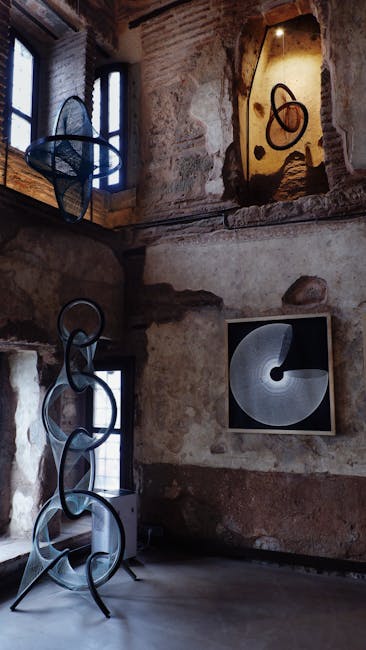
Why go: Housed in a Baroque palace, MUSMA offers a contemporary counterpoint to liturgical art: sculptures converse with the history of the place, offering a modern reading of materials and form. A visit here is a great intellectual appetizer before diving into medieval frescoes.
Restoration workshops and visits
Several cultural associations and conservation labs in Basilicata run occasional workshops on fresco techniques and restoration. Prices vary (from €20 for lectures up to €150–300 for hands-on day workshops). Ask about offerings from Associazione Culturale Matera 2019 or the Soprintendenza Archeologia, Belle Arti e Paesaggio della Basilicata.
Where to stay: recommended cave accommodations
Spending a night in a Sasso is highly recommended: hotels and B&Bs convert caves into comfortable, modern lodgings. Examples: Relais Sant’Agostino – Via San Biagio, 1, 75100 Matera (a charming central hotel) or Le Grotte della Civita, Via Civita, 75100 Matera (a cave-hotel complex). Rates typically run €80–250 per night depending on season and category. Book well in advance for high season.
- Food tip: Try Lucanian specialties: orecchiette, pane di Matera (Matera bread), lamb dishes and local cheeses; many Sassi restaurants serve meals in unique cave settings.
- Practical tip: Book arrival during daylight hours so you can orient yourself in the maze of alleys before night falls.
Conclusion: Between prayer, paint and stone — why Matera’s rock frescoes deserve your attention
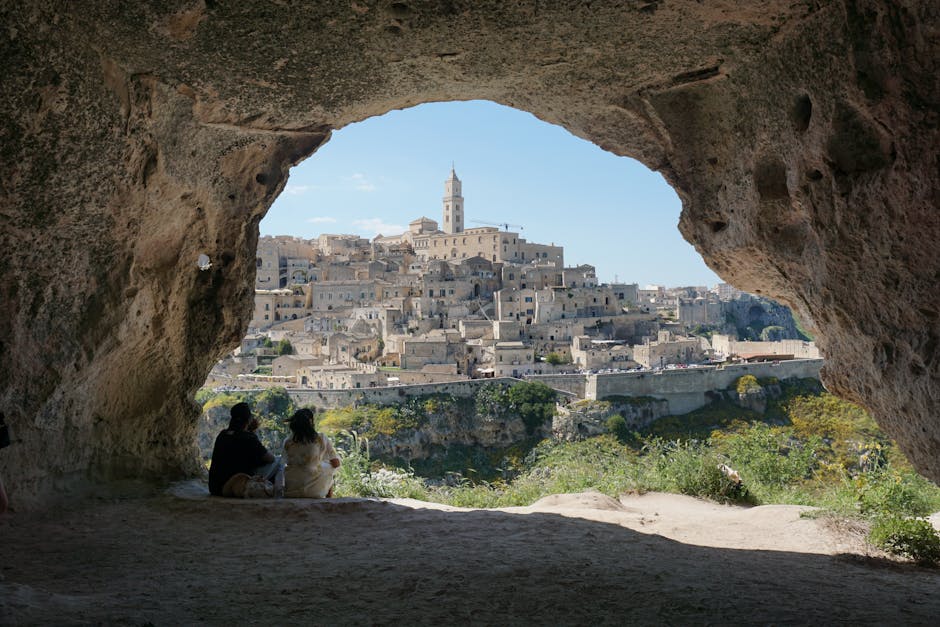
Matera’s Byzantine frescoes and liturgical caves are far more than historical curiosities: they are a living testimony to a civilization that etched its faith and creativity into stone. Walking through the Sassi and the ravines, visitors encounter a multisensory experience: shifting light unveils ancient pigments, silence reveals the vaults’ acoustics, and each fresco opens a window onto medieval spirituality, theology and everyday concerns.
Exploring Matera’s cave chapels also brings you face-to-face with modern conservation challenges. These frescoes are fragile and need fitting protection — responsible visitation becomes a civic act: respect the rules, support local initiatives and value knowledge transmission (by buying books, attending workshops or hiring local guides). Such concrete gestures help preserve the colors and stories painted into the caves.
On a human level, Matera is welcoming: locals, priests and guides are often happy to share their stories. Don’t hesitate to strike up a conversation, ask about local saints, request readings of inscriptions or attend a Mass if possible — these interactions deepen your understanding of the frescoes and the liturgical life that gave them meaning. For full immersion, combine cave visits, a night in a troglodyte hotel, contemporary museums and food tastings: you’ll quickly understand why Matera was named a European Capital of Culture and why its frescoes continue to fascinate scholars, artists and everyday travelers alike.
Practical recap: wear comfortable shoes, double-check opening times (they vary with season and services), respect conservation rules (no flash, no touching), book certain visits in advance (Cripta del Peccato Originale, restoration workshops) and support local preservation efforts. By following these principles, your visit will not only fill you with wonder but also contribute to the safeguarding of a unique world heritage.
Safe travels to Matera: let stone and paint guide you, and take the time to listen to the stories whispered by the Byzantine frescoes and the mysteries of the liturgical caves.