




Introduction — Exposure tips for Matera: handling strong contrasts on white facades
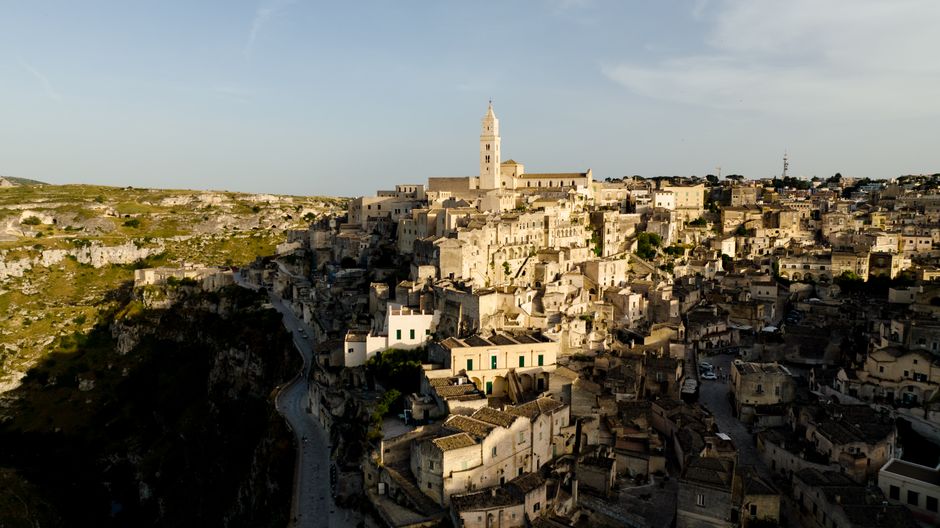
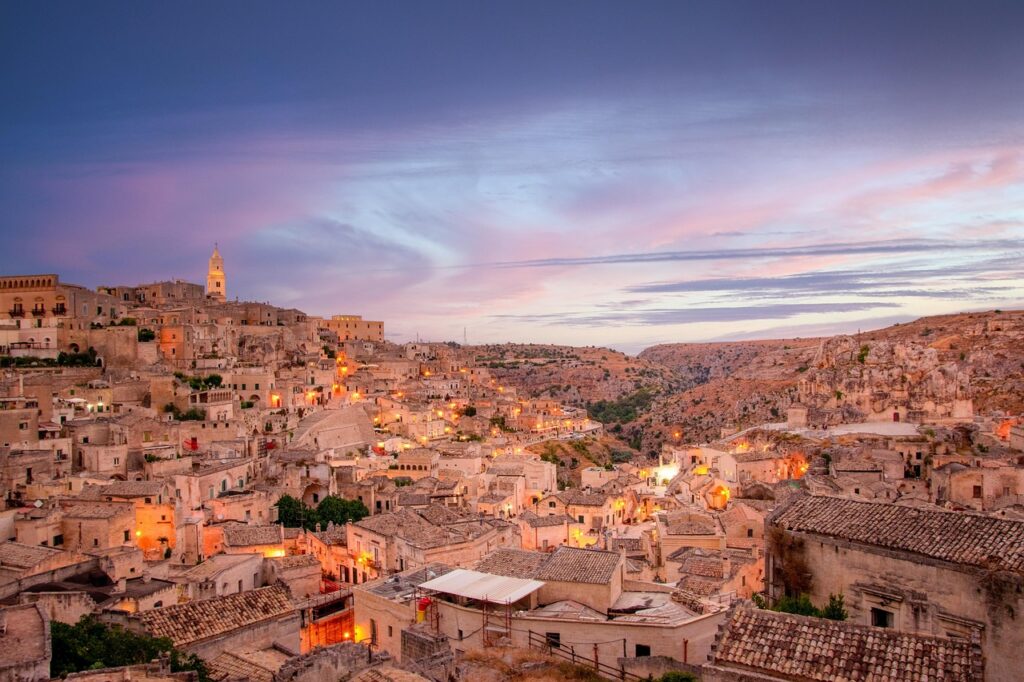
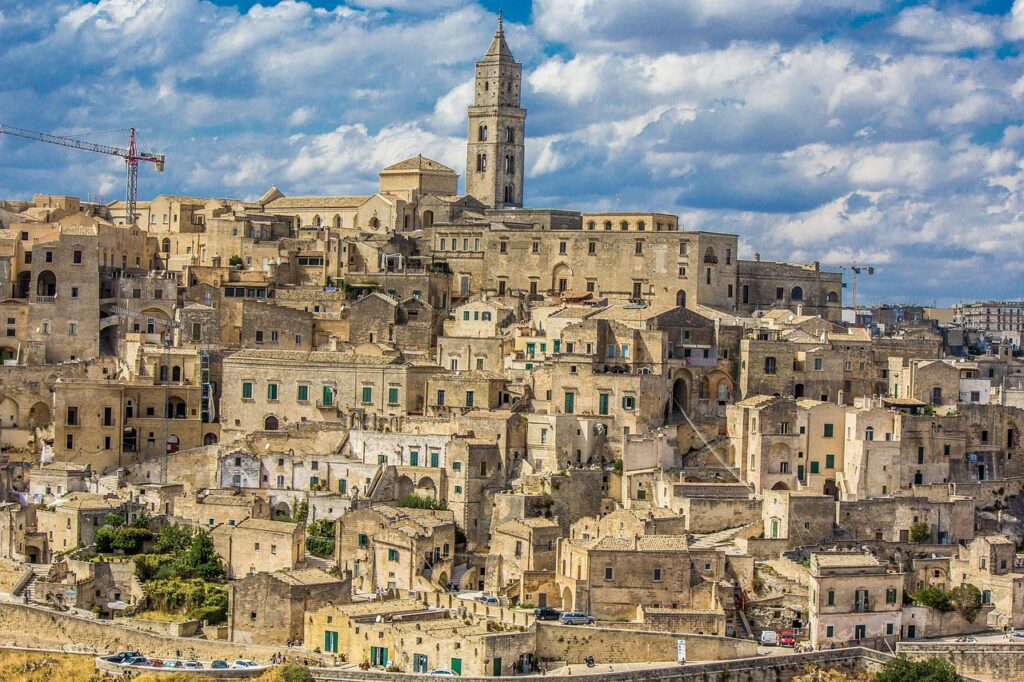
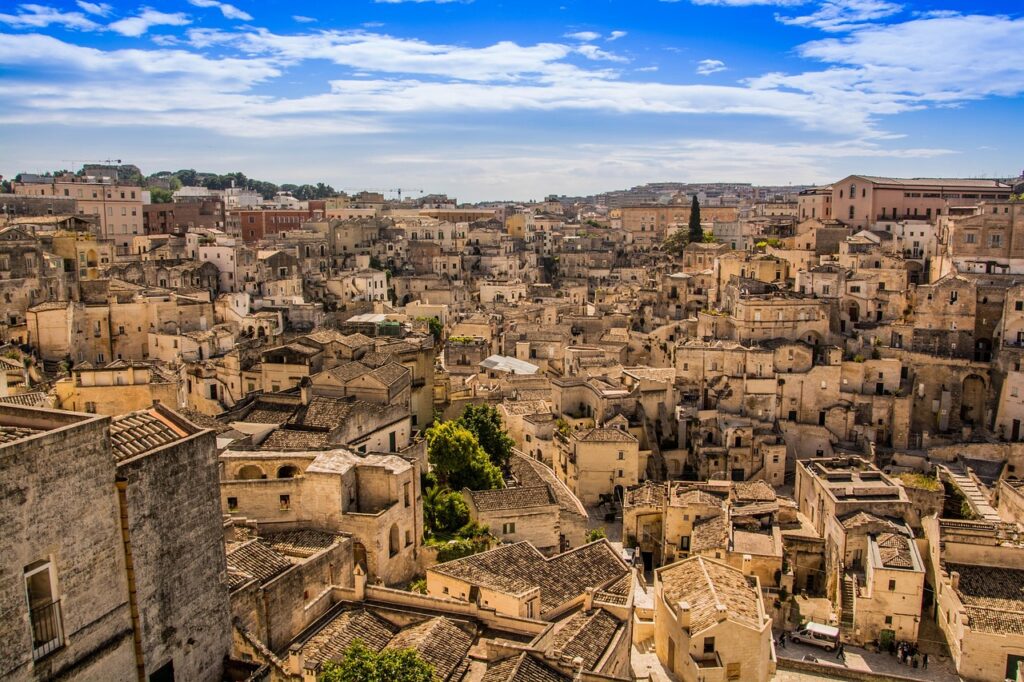
Matera, a UNESCO World Heritage site famed for its Sassi carved into limestone, is a study in warm whites and deep shadows. The limestone faces of cave dwellings, rock churches and narrow stairways make an ideal playground to master exposure for photography and video. Contrasts here are often extreme: bright sun, white walls that bounce back light, and dark cavities that swallow detail. Learning to handle these scenes lets you capture not just Matera’s raw beauty, but the texture, depth and unique atmosphere of the Sassi.
This practical guide, aimed at the traveling photographer, enthusiastic hobbyist or local guide wanting better images, brings together exposure techniques, technical settings, composition tips and concrete recommendations for the most photogenic spots in Matera. It includes full place names, exact addresses, prices in euros, opening hours and on-the-ground tips for each spot mentioned. The goal: send you home from Matera with images that faithfully convey the soft light, the grain of the limestone and the complex geography of the Sassi, even when the lighting is tricky.
We’ll cover basics like metering modes (spot, center-weighted, evaluative), how to read the histogram, smart use of exposure compensation, and advanced strategies such as bracketing, HDR, graduated filters and RAW processing. You’ll also get practical field advice: best time slots, precise viewpoints (with addresses and opening hours), recommended gear (lenses, tripod, filters) and local tricks (where to buy water, how to avoid blinding backlight, where to shelter from the sun).
Finally, the guide takes an immersive approach: sensory descriptions of the locations — the smell of heated limestone dust, the sound of footsteps on stone, the way shadows carve the facades — so your images tell a story. Whether you have half a day or several days, these techniques and locations will help you turn overwhelming contrast into creative opportunity. Charge your batteries, prep your body and follow these tips to tame Matera’s light.
Understanding contrast and light in the Sassi di Matera
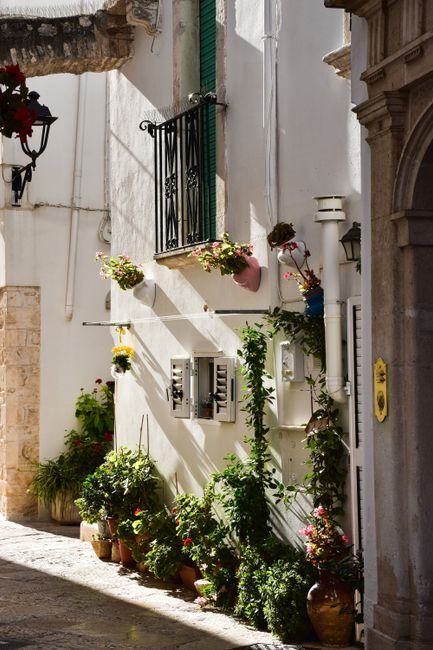
Before you touch any controls, understand the nature of contrast in Matera. The white façades of Sasso Barisano and Sasso Caveoso are made of calcified limestone: they reflect intense direct light, especially between 10am and 4pm. Cavities, vaults and narrow alleys, by contrast, darken fast and create very deep shadow areas. Your first mental decision is whether you want to preserve highlights (the white façades) or pull detail from shadows (the cave interiors). That choice will determine your settings and shooting strategy.
Metering: favor spot metering or center-weighted metering when you have a key element (a white façade or a face) to expose correctly. For example, if you’re photographing Casa Grotta nei Sassi di Matera (address: Via San Pietro Caveoso 14, 75100 Matera MT, Italy) in bright sun, use spot metering on the most representative part of the façade to avoid blowing out the wall. If you want a more global exposure, evaluative (matrix) metering is suitable for panoramas that include both sky and stone.
Histogram: check every image on the histogram. A clipped spike on the right warns of burned highlights; on the left, blocked blacks. In Matera, highlights are the main threat. If the histogram is pushing against the right edge, dial exposure down by -0.3 to -1.5 EV depending on the scene, or use automatic bracketing (AEB) to capture multiple exposures and blend them in post (HDR).
RAW mode: essential. Limestone yields subtle variations in warm tones and shadow detail. In RAW you can often recover 2–3 EV in highlights and significantly more in shadows compared to JPEG.
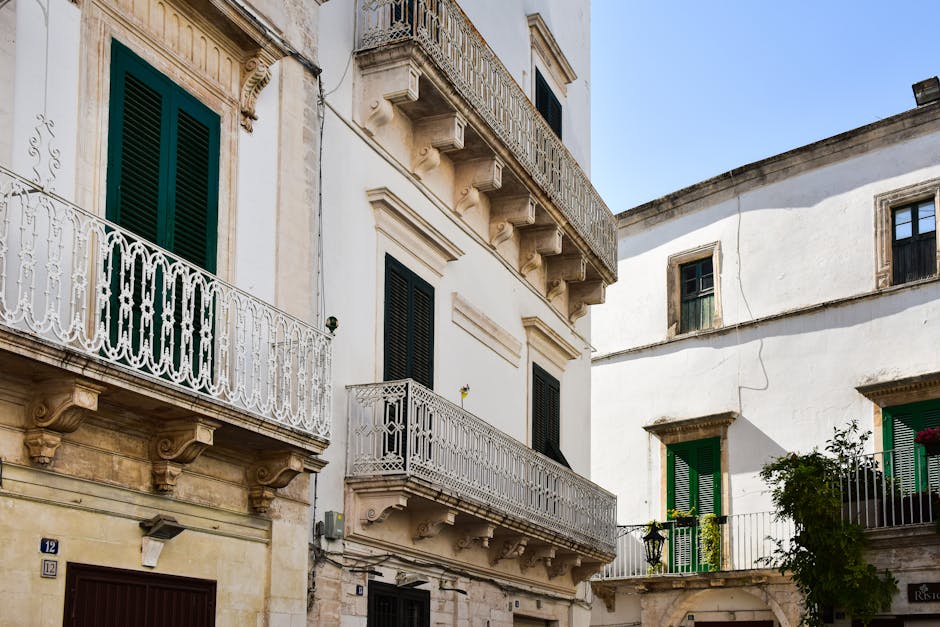
Recommended times: sunrise (golden hour) and late afternoon (evening golden hour) provide the best side light to sculpt facades. Between noon and 3pm the light is harsh and frontal: great for graphic silhouettes but risky for fine detail. Early morning delivers cool shadows in alleys and low-angle light on staircases that brings out beautiful texture.
Local tip: walk early in the morning in the Sasso Caveoso (area around Piazza San Pietro Caveoso, 75100 Matera MT). The silence and raking light let you use low ISOs and get crisp images without artificial sharpening. If you visit in summer, take a hat, plenty of water and protect your sensor from dust when changing lenses.
Concrete scenarios and strategies
- White façade under a deep blue sky: set -0.3 to -1 EV, spot-meter the façade, shoot RAW and consider a polarizer to saturate the sky without darkening the walls too much.
- Dark cave interior with bright exterior: bracket 3–5 shots (-2, 0, +2 EV) for HDR, or use a portable LED light to fill shadows without blowing out the exterior.
- Street scene with passersby: prioritize shutter speed (1/250s or faster) to freeze motion, raise ISO as needed, and slightly underexpose (≈-0.3 EV) to preserve limestone texture.
Technical settings and gear to fight strong contrast
Camera and sensor: modern sensors offer generous dynamic range, but it starts with choosing RAW and setting white balance according to daylight. For Matera, set White Balance to Daylight or leave it on Auto if you plan careful correction in post.
Lenses: a wide-angle (24–35mm full-frame) is ideal for alleys and panoramas; a 50mm or 85mm is excellent to isolate architectural details and limestone texture. A lens with good flare resistance is valuable since the sun can hit façades directly.
Polarizing filter: very useful to deepen blue skies and cut reflections on stone. Note: it darkens slightly (≈1–1.5 EV) and can make exposure trickier — compensate if necessary.
Graduated ND filters: when shooting panoramas with a bright sky and very light façades, a soft-edge graduated ND helps balance exposure without relying solely on HDR. For very contrasty skies, a 3-stop grad is often enough.
Tripod: essential for bracketing, HDR and long exposures at sunrise or sunset. Make sure it’s stable on uneven stairs and cobbles. A remote shutter release or timer reduces handshake risk.
LED panels and reflectors: to light cave interiors or fill shadows on a face, a small adjustable LED panel (5–20W) can completely change exposure balance. A foldable silver or gold reflector (60–80 cm) helps bounce light into shadows without power.
Recommended shooting parameters
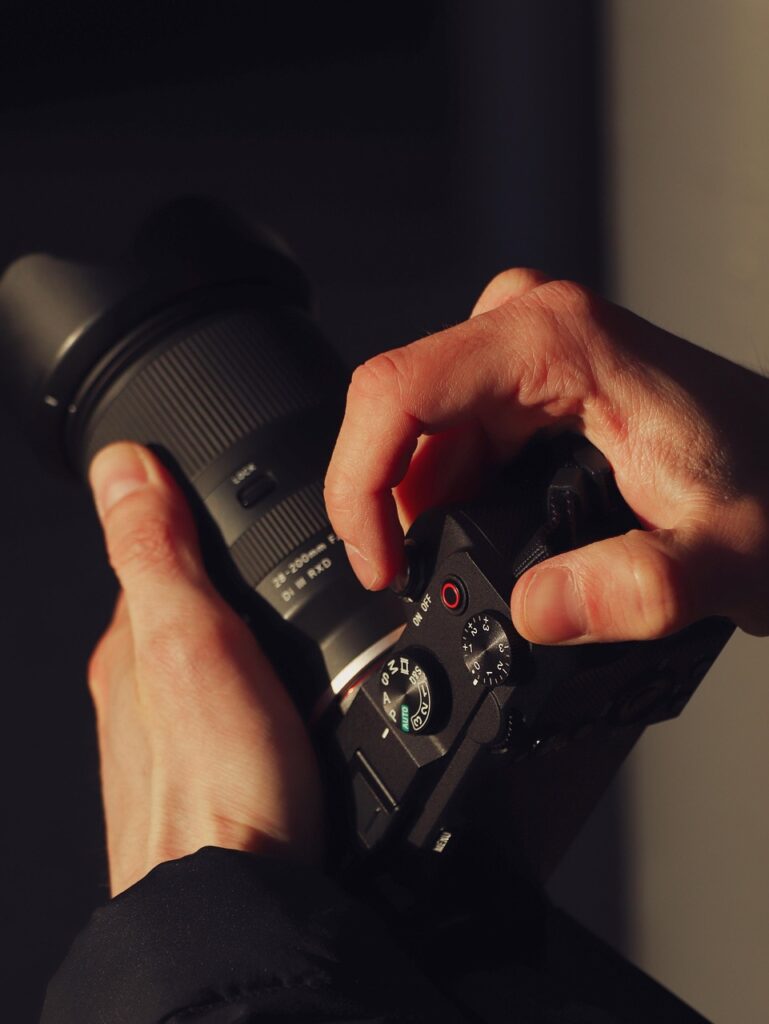
- Mode: Aperture Priority (A/Av) to control depth of field; or Manual if you’re bracketing.
- Aperture: f/5.6–f/11 for overall sharpness of facades; f/2.8–f/4 to isolate details and textures.
- ISO: as low as possible (100–400) to preserve shadow detail — raise only if shutter speed gets too slow for a moving scene.
- Shutter speed: ≥1/250s for moving subjects; slower with a tripod for static architecture.
- Exposure compensation: -0.3 to -1.5 EV to protect highlights on white walls; adjust based on the histogram.
- Bracketing: at least 3 frames (-2,0,+2 EV) for high-contrast scenes, to be merged into HDR in post if needed.
Practical tip: enable Highlight Warning (zebra stripes) if your camera supports it. The blinking areas show exactly where highlights are lost. Lower exposure or use a graduated filter to recover those details.
Composition and angles to make the most of Matera’s white façades
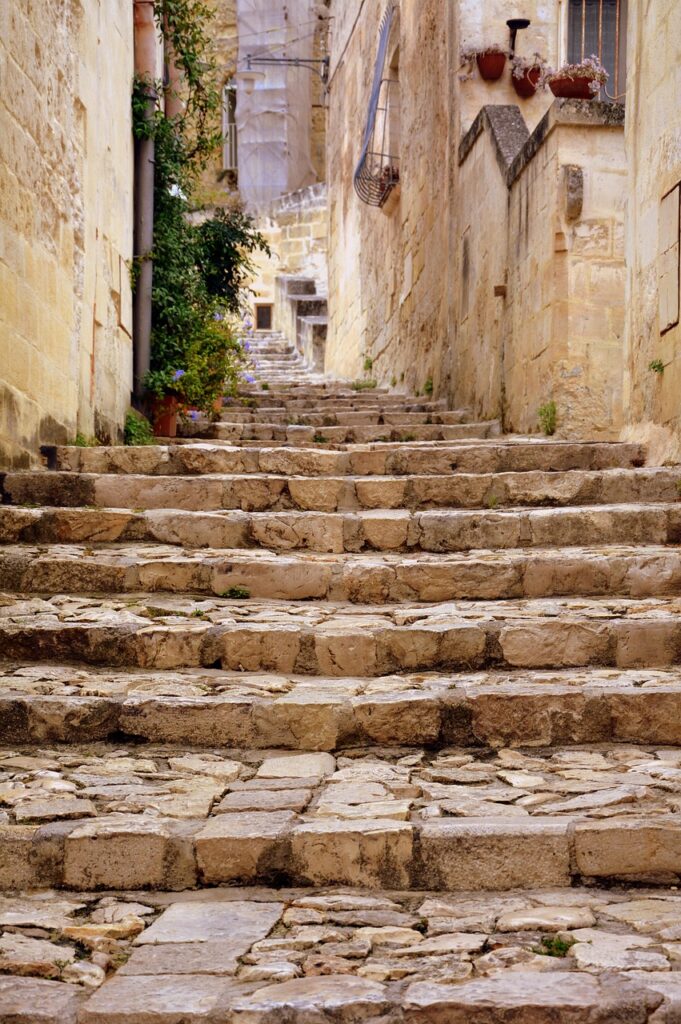
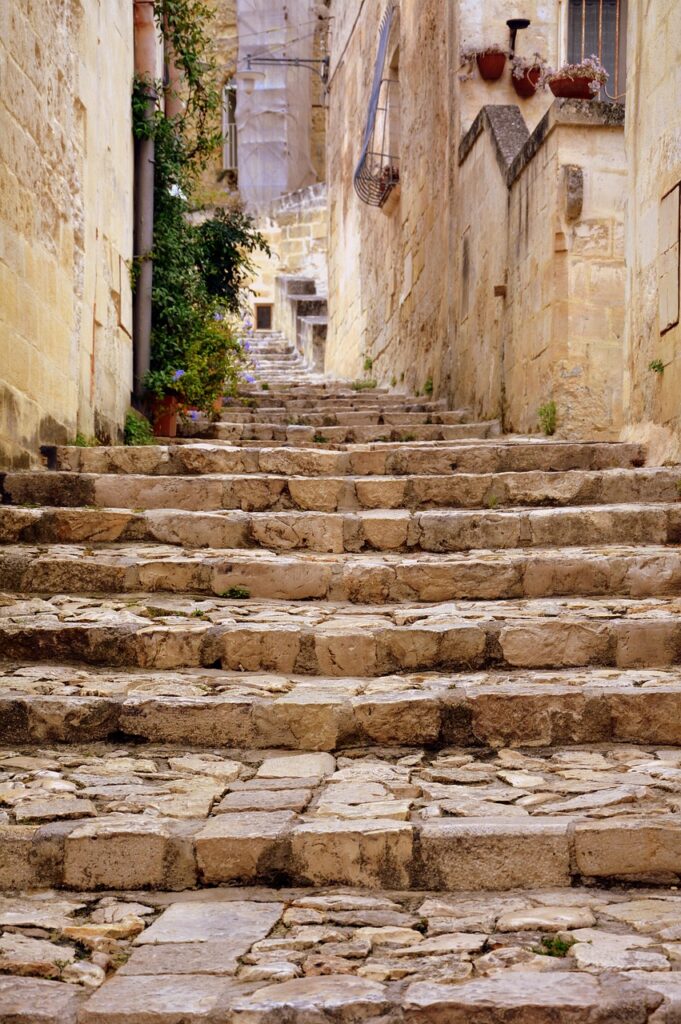
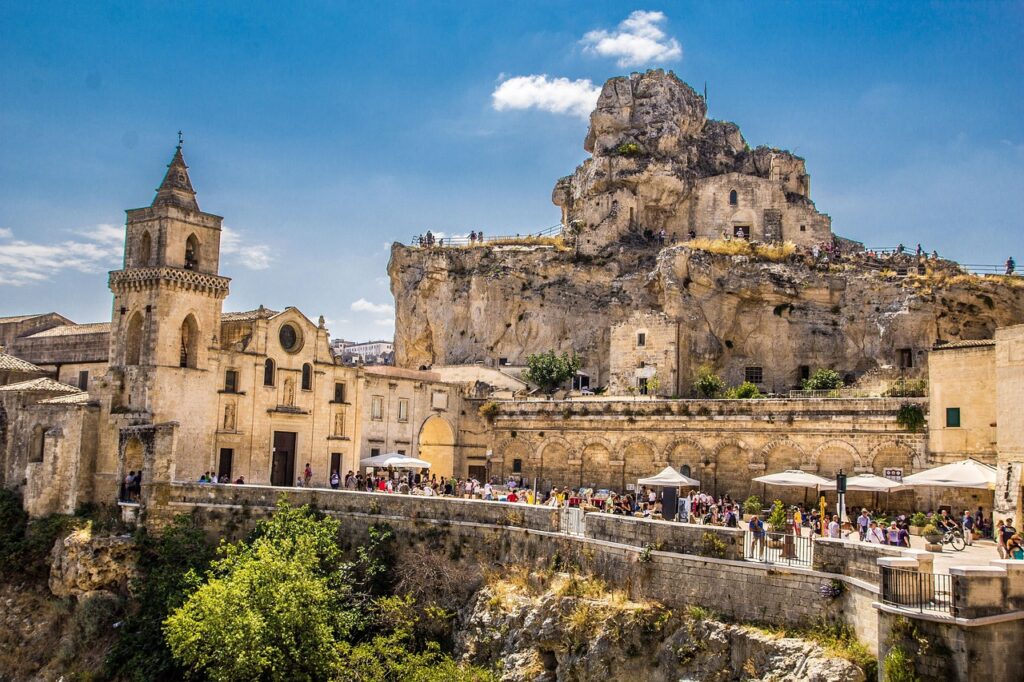
Good exposure alone isn’t enough if composition doesn’t support the visual story. Matera’s white facades are carved with stairs, doors, niches and ducts. Look for leading lines: handrails, rows of doors, winding staircases. These help guide the eye and incorporate graphic shadows to add depth.
Use side light: at dawn and late afternoon, raking light reveals limestone roughness and creates directional shadows that add relief. Place your subject (a door, balcony or person) on one third of the frame (rule of thirds) and let the shadow occupy the complementary side to balance the scene.
Play with scale: include a human element (a resident, a guide, an animal) to give scale to the carved façades. Locals opening their shops in the morning or shepherds with their flocks around Parco della Murgia Materana make perfect subjects. Ask permission, offer a small fee for a posed portrait and sync your exposure so the person is properly lit (spot on the face) without blowing out the stone background.
Contrast & silhouette: when the sky is very bright and the façade is pale, try shooting silhouettes: expose for the sky and let the façade go dark for a strong graphic image. Conversely, exposing for the façade while letting the sky fall dark can reveal limestone texture.
Recommended viewpoints (with practical details):
- Piazza San Pietro Caveoso — Piazza San Pietro Caveoso, 75100 Matera MT, Italy. Grand views over Sasso Caveoso; ideal at sunset. No entrance fee; accessible 24/7. Watch for crowds between 6pm and 8pm in high season.
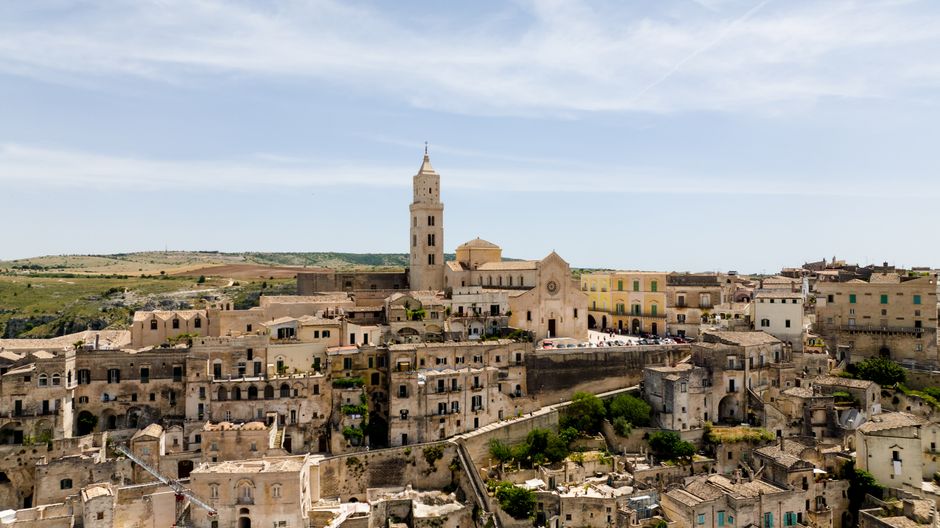
- Piazza Duomo — Piazza Duomo, 1, 75100 Matera MT, Italy. Overlooks the Sassi and the Cattedrale di Matera. The cathedral is usually open 8:30–12:30 and 16:00–19:00 (times vary with services). Cathedral entry is free; adjacent museum sometimes charges (~€2–€4).
- Belvedere della Murgia Timone (Parco della Murgia Materana) — Strada Provinciale 3, 75100 Matera MT, Italy. Panoramic views of the Sassi; a sunrise favorite. Free entry; limited parking (expect €1–€2/hour in private lots if leaving your car).
Local tip: to avoid tourists, head out before 7am in high season. The best shots often come in the first 45 minutes after sunrise when the light is soft and alleys are empty. For sunset, aim for Piazza San Pietro Caveoso and the belvedere, but arrive 30–45 minutes early to set up.
Practical info, exact locations and a photo itinerary for one day in Matera
Here’s a one-day photo itinerary focused on exposure, with addresses, opening hours and approximate prices.
Morning (sunrise and first textures):
- Belvedere della Murgia Timone — Strada Provinciale 3, 75100 Matera MT, Italy. Open 24/7. Parking in the area may be free or paid (€0–€3). Arrive 30 minutes before sunrise to capture raking light on the Sassi. Use a tripod and bracketing to manage sky/ground contrast.
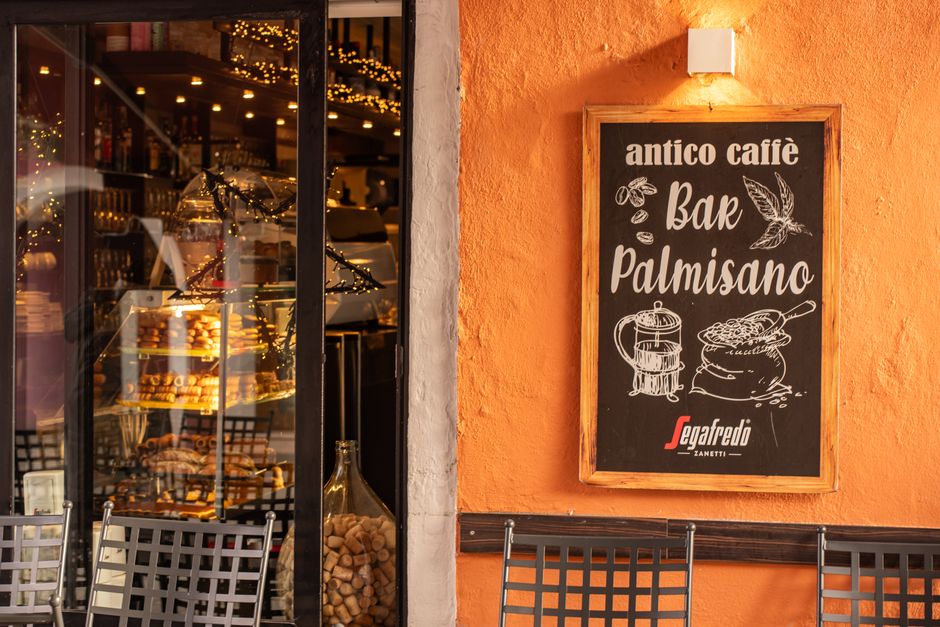
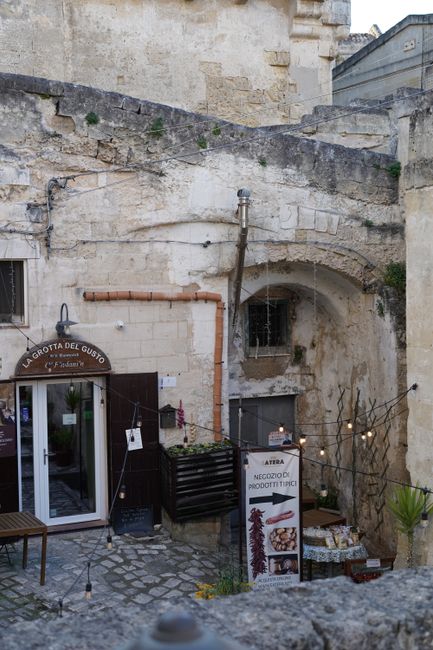
- Then head to Sasso Barisano for architectural details: Via Bruno Buozzi and Via Muro, 75100 Matera MT. The narrow lanes are perfect for testing dynamic exposure. Breakfast stop recommended: Caffè Tripoli, Piazza Vittorio Veneto 3, 75100 Matera MT — espresso ≈€1.50, open 07:00–20:00.
Midday (museums and interiors, handling deep shadows):
- Casa Noha — Via delle Beccherie 1, 75100 Matera MT, Italy. Hours: typically 9:00–19:00 (check seasonally). Price: entrance ≈€3. A great spot to practice mixed lighting (dark interiors + bright windows). Use moderate ISO and a tripod if possible, or bracket if you can’t stabilize the camera.
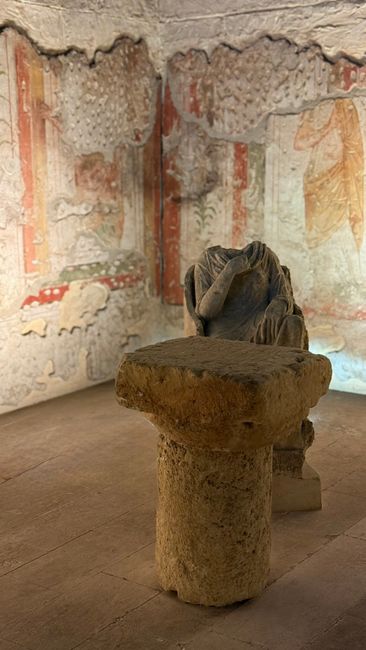
- MUSMA – Museo della Scultura Contemporanea — Piazza San Pietro Caveoso 11, 75100 Matera MT, Italy. Hours: 10:00–18:00 (seasonal). Price: ≈€8. The contrast between dark exhibition rooms and natural light filtering through rock windows is excellent practice for exposure balancing.
Afternoon (facades and details):
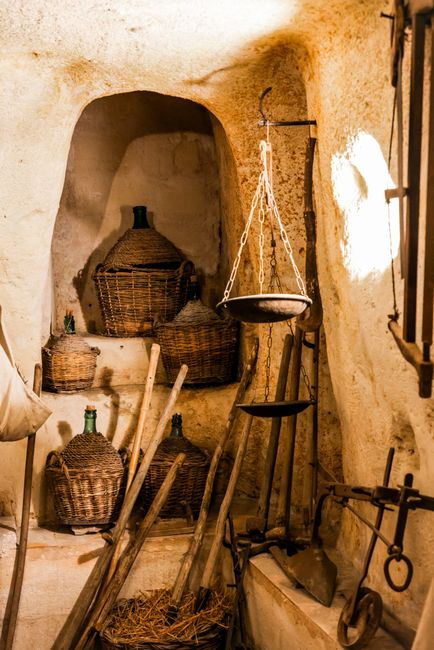
- Casa Grotta nei Sassi — Via San Pietro Caveoso 14, 75100 Matera MT, Italy. Hours: 9:00–19:00. Price: ≈€3.50. The recreated interiors and the direct exit into bright light are perfect for mastering shadow-to-sun transitions.
- Wander up to Piazza Duomo, Piazza Duomo 1, 75100 Matera MT. Use the high vantage point for sunset panoramas. There’s a drop-off area and nearby public restrooms and tourist services.
Evening (golden hour and urban scenes):
Return to Sasso Caveoso for golden hour. Facades take on a golden tint and shadows deepen: ideal for bracketing or warming white balance for shots with a cozy feeling. Recover with dinner at a local trattoria: Trattoria del Caveoso, Via Bruno Buozzi 35, 75100 Matera MT — mains ≈€10–€18, open 12:00–15:00 and 19:00–22:30 (times may vary).
Local tips, safety and post-production to render contrast naturally
Practical local advice:
- Hydration and protection: in summer carry 1–2 liters of water; the stone stores heat. Local pharmacies (e.g. Farmacia Centrale, Via Lucana 50, 75100 Matera MT) are usually open 9:00–13:00 and 16:00–20:00.
- Gear security: never leave your equipment visible in the car. Paid parking near the Sassi costs around €1–€3/hour. Store bags securely and use tethered straps in crowded areas.
- Respect the sites: some caves and homes are private or museum-protected. Observe signage and don’t touch fragile surfaces to help preserve the heritage.
Post-production — editing for a natural look:
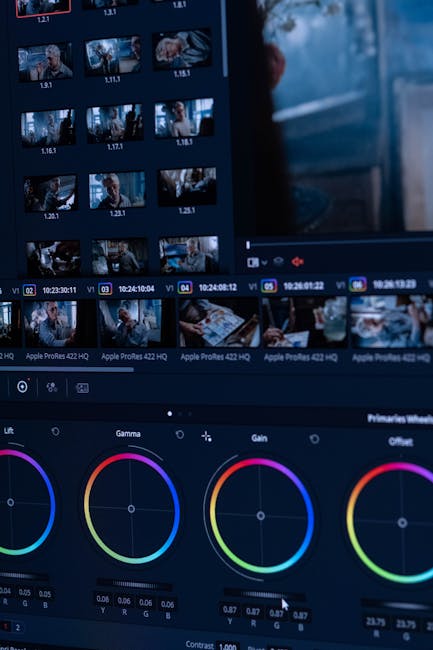
1) RAW development: start by correcting overall exposure and white balance. Pull down highlights slightly (-10 to -30) and lift shadows (+10 to +40) depending on the desired result. Keep moderate contrast to avoid losing limestone texture.
2) Local adjustments: use radial or linear masks to brighten specific areas (windows, faces) without touching the façades. A brush can fix zones that are too dark or too bright.
3) HDR: merge bracketed frames when needed, then tone down any overcooked HDR effects by reducing clarity and saturation. The aim is realism: preserved limestone texture, smooth shadow-to-light transitions and a detailed but natural sky.
4) Grain and sharpening: a light amount of grain (5–10%) can make images feel more organic, especially in low-light scenes. Sharpen edges of the stone carefully and avoid over-sharpening high-contrast areas to prevent halos.
Final local tip: talk with local guides to learn about micro light events (for example, how a shaft of light crosses a passage at a specific time). The Consorzio I Sassi di Matera or the tourist office in Piazza Vittorio Veneto (Piazza Vittorio Veneto 2, 75100 Matera MT) can give timing advice and information on guided tours (prices ≈€10–€20 depending on the tour).
Conclusion — Turning strong contrast into an aesthetic asset
Matera’s white façades are both a challenge and an opportunity. Their high reflectance combined with deep shadows creates dramatic, texture-rich scenes. With a clear understanding of metering (spot vs evaluative), histogram use, RAW format, and tools like polarizers, graduated NDs, a tripod and portable LEDs, you can turn seemingly problematic contrasts into powerful, evocative images. The key is to pick a strategy before you press the shutter: protect highlights, recover shadows or embrace graphic silhouettes.
Matera also offers a variety of concrete, accessible viewpoints: Belvedere della Murgia Timone (Strada Provinciale 3), Piazza San Pietro Caveoso (Piazza San Pietro Caveoso), Casa Noha (Via delle Beccherie 1), MUSMA (Piazza San Pietro Caveoso 11), Casa Grotta nei Sassi (Via San Pietro Caveoso 14) and Piazza Duomo (Piazza Duomo 1). Each has ideal time windows and constraints — respect opening hours (often 9:00–19:00 for museums but variable), budget for entrance fees (≈€3–€8 for museum sites) and adapt your route to daylight.
Finally, remember technique should always serve storytelling. Tools (HDR, bracketing, filters) exist to reveal what you felt walking the limestone alleys: warmth, relief and history. Take time to watch, wait for the right light, interact with locals (always respectfully and with a small token if you request a portrait) and process your images with a sense of balance between realism and aesthetics. That’s how Matera’s strong contrasts can become your photographic signature, and your photos will keep the soul of those white stones carved by time.